The Real Reason Your Kid’s Room Keeps Getting Messy Again
The rest of my house runs the way I want it. Organised, everything with a system behind it. But my kids’ rooms have always been theirs — I didn’t want to be the parent hovering over how they keep their own space.
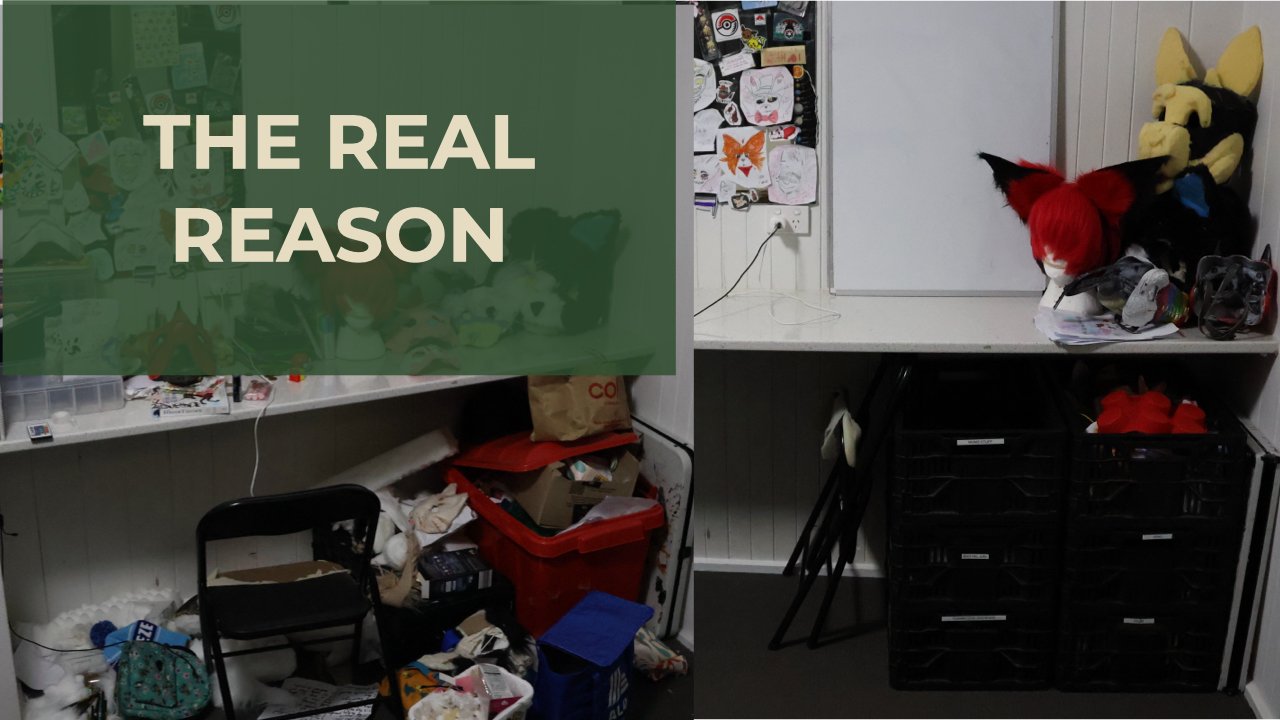
Fair enough. But eventually it reached a point where the systems I use everywhere else — at work, through the rest of the house — needed to come in here too. Not because the room was “bad,” but because no matter how many times we cleaned it, it went straight back to chaos within days.
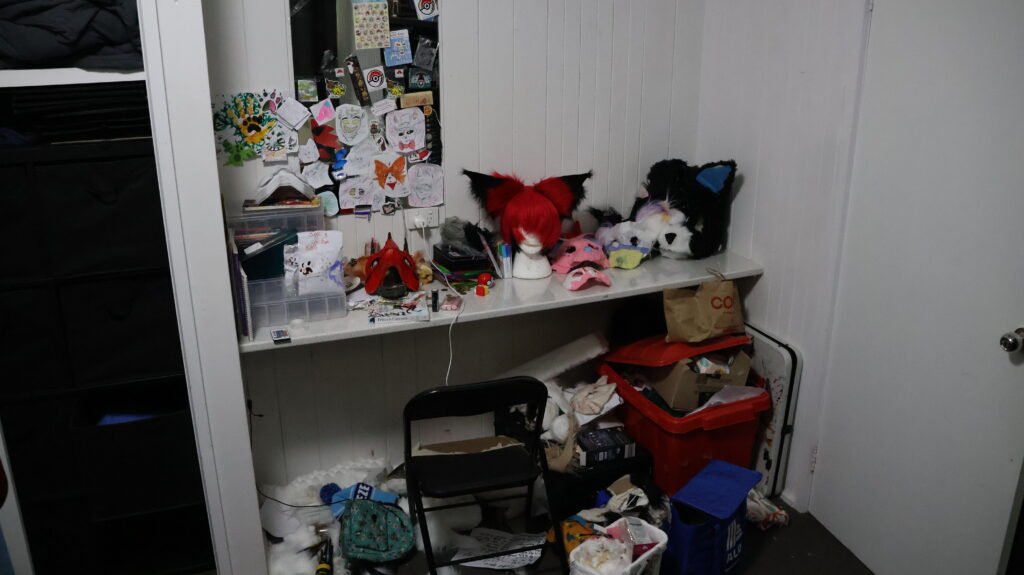
That’s usually the tell. If a clean-up doesn’t last, the problem was never the mess. It’s the system underneath it — or the lack of one.
Here’s the five-step process I used to fix it for good, in my daughter Adah’s room.
Sort — start with a clean slate
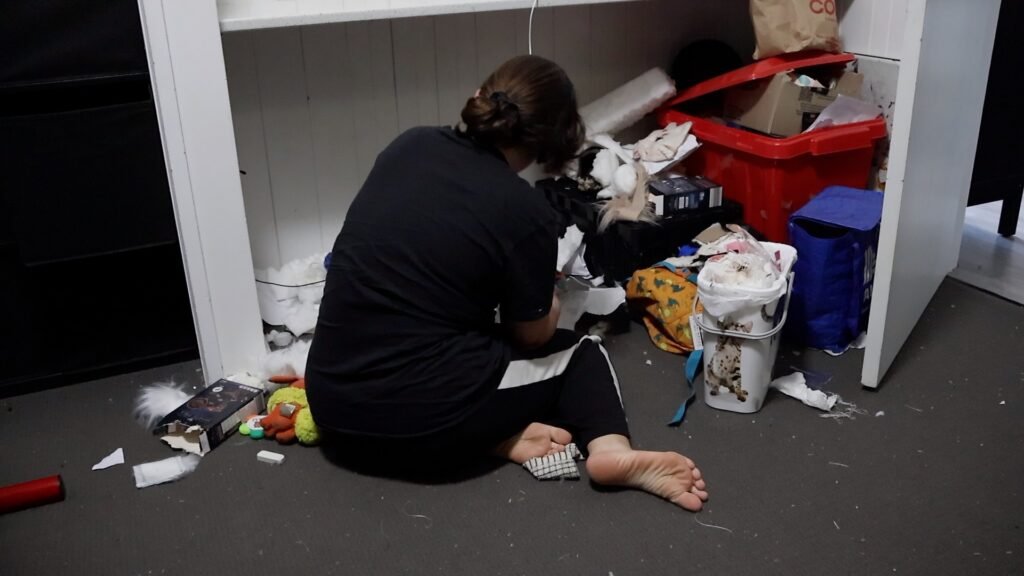
Everything came out. Every drawer, every shelf, every pile under the bed — onto the table, onto the floor. It looked worse before it looked better, and that’s normal. From there, Adah went through it all and made the real call: what she actually wanted to keep, versus what was just leftover from old projects and experiments. Only the things that genuinely meant something to her stayed.
Set — give everything a home
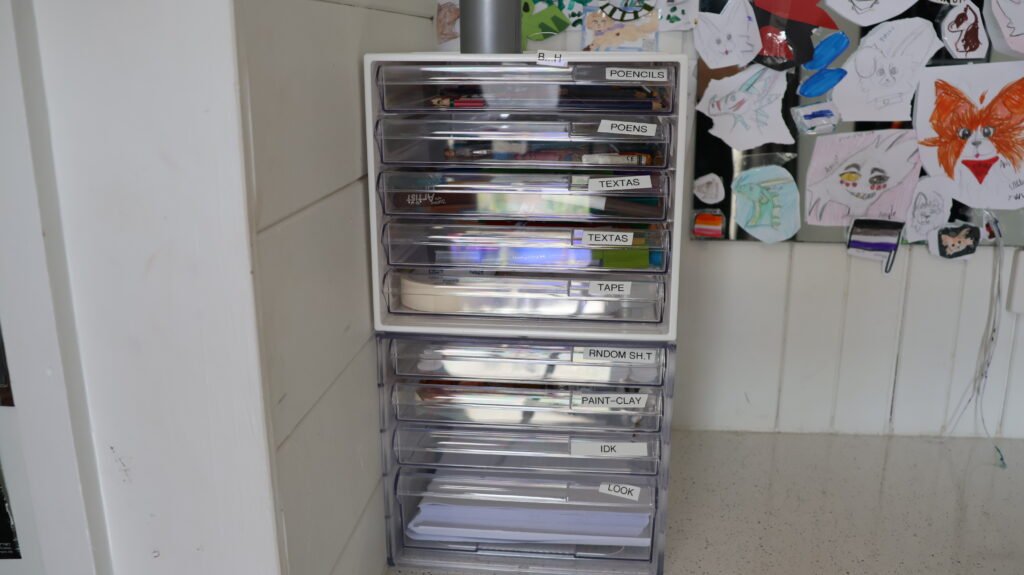
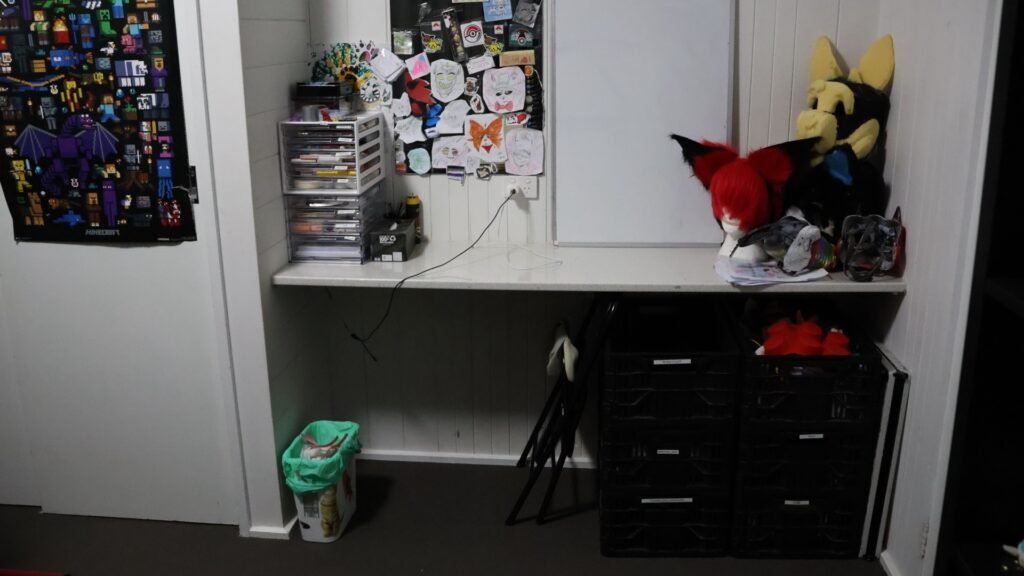
This is where most declutters fall apart, because “tidy” without a system just means “tidy until tomorrow.” One change made the biggest difference: drawers instead of stacked containers. With containers, getting to anything in layer two meant lifting layer one off first — and it never went back on properly. Drawers fixed that instantly. One tray for pencils, one for markers, one for paints and brushes, grouped by what she actually uses them for. Same principle I use for spices in my own kitchen — group by function, not by whatever fits.
Shine — reset the baseline
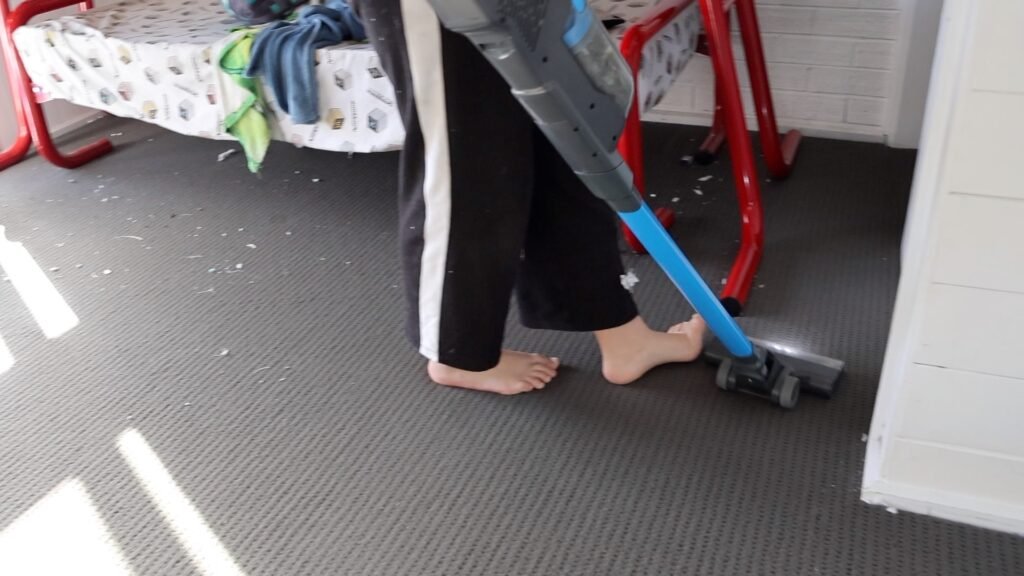
This step gets skipped constantly, but it matters more than people think. If you don’t properly clean once, you’ve got no baseline to compare against later — so you never actually know if things are slipping, or if that’s just “normal.” Vacuum, wipe the benches, bring it up to a standard that actually looks and feels right. It’s a small thing, but it also teaches kids a basic life skill along the way.
Standardise — make it findable on autopilot
Everything has a home now, but the real test is whether you can still find things when you’re tired and not thinking clearly. That’s what labels solve. Adah labelled her own drawers — spelling mistakes and all, including one drawer marked “IDK.” I didn’t correct any of it. She’s the one who has to live with this system every day, not me, so it needed to feel like hers.
Sustain — the step everyone misses
This is the one that actually determines whether any of the above lasts. You can do the perfect declutter and it means nothing if nobody keeps it going. For the kids, I made a simple picture of what the room should look like after a reset — something they do before they leave on Sundays. Ten to fifteen minutes: vacuum, wipe the bench, everything back in its home. They come back the following week to a room that’s still tidy, because there was never a gap for the chaos to creep back into.
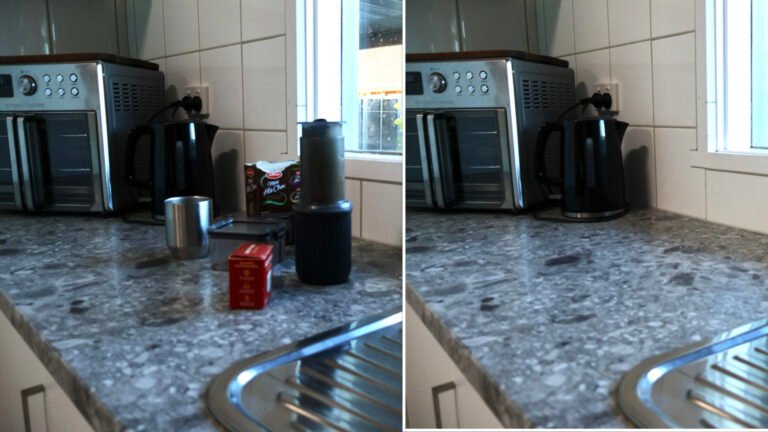
I’ve used the same approach with the kitchen — when it’s the kids’ turn to do the dishes, there’s no argument about whether it’s done properly. I just ask one question: does it look like the picture? If yes, you’re done.
FAQ
Why does my kid’s room get messy again so fast, even after we clean it?
Because cleaning fixes the mess once, but doesn’t fix the system that created it. Without a “home” for every item and a repeatable reset routine, the room has nothing to hold the tidiness in place.
What if my kid won’t get rid of anything?
Let them make the call on what’s theirs to keep. Adah kept plenty — the point isn’t minimalism, it’s making sure what’s kept actually has a home.
How often should we do a full reset?
Weekly works well for a room in regular use. It’s short enough not to feel like a chore, and frequent enough that mess never has time to build into something bigger.
Do the labels need to be neat or “correct”?
No — ours aren’t. The system needs to work for the person using it, not look good for anyone else.
If you want to try this in your own place, I’ve put together a free downloadable weekly reset checklist — same one I use for my kids room, easy to adapt to any space.
Grounded Roamer is written by a lean manufacturing practitioner with 20+ years experience creating systems that make everyday life run with less friction. Based in Mildura, Victoria, Australia — documenting a quieter, more self-sufficient way of living, one small adjustment at a time.