Home Decluttering Tips Using the 5S Method
Home decluttering tips often focus on motivation, discipline, or doing one big clean-up. But I have found that clutter at home is usually less about trying harder and more about the way the space is set up.
After more than 20 years working in manufacturing and lean systems, I have learnt to look at mess a little differently. In manufacturing, when something keeps going wrong, you do not just blame the person using the space. You look at the system around them.
The same idea works at home.
If a bench keeps collecting clutter, if a drawer keeps turning into a mess, or if a cupboard always feels frustrating to use, there is usually a reason. The setup is creating friction.
This post looks at how I use the 5S method at home in a calm, practical way. Not to turn a house into a factory. Just to make everyday spaces easier to use, easier to reset, and easier to live in.
[INTERNAL LINK: link to another relevant post here]
How do I declutter my home without relying on willpower?
Most people think they need more discipline to keep their home tidy. I used to think that too, in some ways. But the longer I have worked with systems, the more I have noticed that repeated mess usually points to a repeated problem.
That problem is often the setup.
If shoes always end up near the door, the issue may not be laziness. It may be that the shoe storage is too far away or too awkward to use.
If papers keep landing on the kitchen bench, the issue may not be that you are disorganised. It may be that there is no simple place for incoming paper to go.
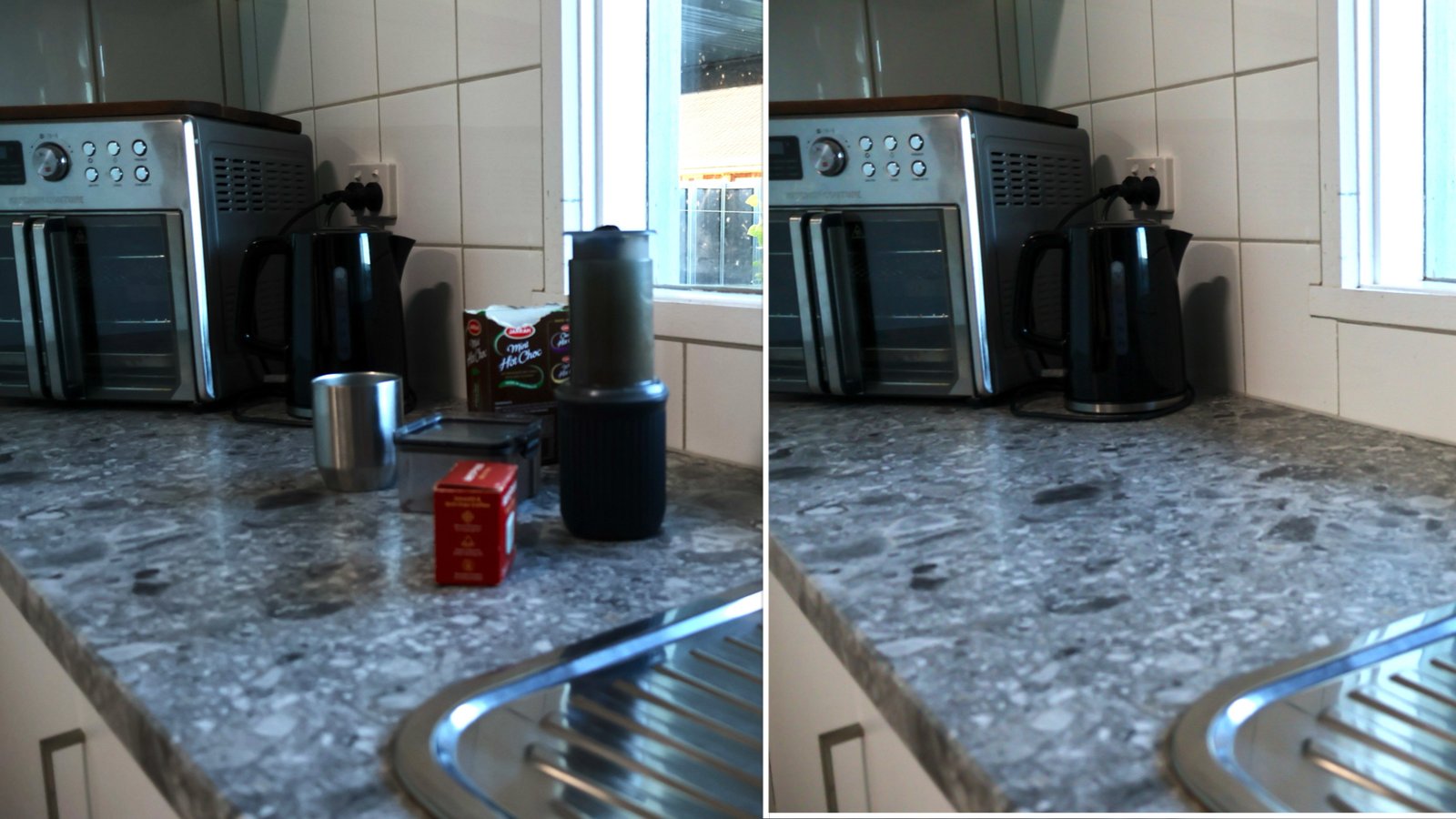
Before and after example
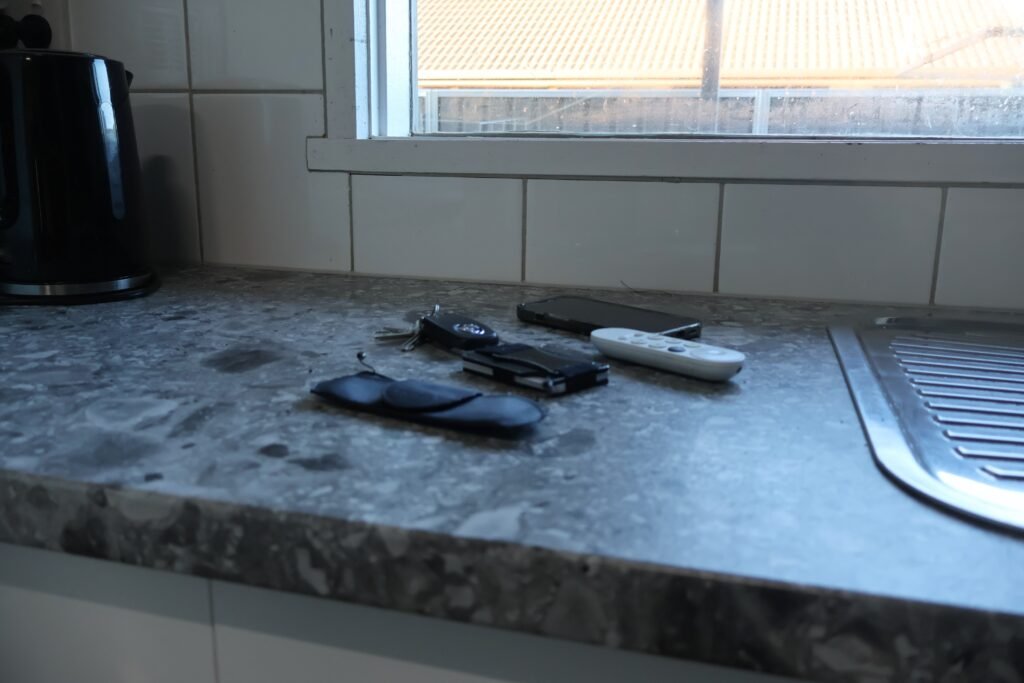
Before: the bench becomes the default place for keys, mail, bags, receipts, and things to deal with later.
After: one small landing zone is created near the entry. Keys have a hook. Mail has one tray. Bags have one clear place.
Nothing dramatic. Just less friction.
That is the real shift. Instead of asking, “Why can’t I keep on top of this?” ask, “Why is this space making the right thing hard to do?”
That one question changes how to declutter your home.
What is the 5S method at home?
The 5S method comes from lean manufacturing. The five parts are Sort, Set in Order, Shine, Standardise, and Sustain.
That can sound formal. But underneath the workplace language, it is a very simple idea.
Make the space easier to use.
Make it easier to reset.
Make it easier to maintain.
At home, I use 5S in a much softer way. I am not trying to make the house feel industrial or perfect. I am just borrowing a useful way of thinking.
The home version of 5S
Sort means removing what no longer supports the space.
Set in Order means giving things a sensible home.
Shine means cleaning the space so it feels reset.
Standardise means creating simple defaults.
Sustain means keeping it manageable with small resets.
Before: a kitchen drawer holds utensils, batteries, take-away menus, loose screws, pens, and things you forgot were there.
After: the drawer only holds what is used in that part of the kitchen. Everything else is moved, donated, used up, or removed.
That is the 5S method at home. Not perfection. Just making the space easier to live with.
How does Sort help with home decluttering?
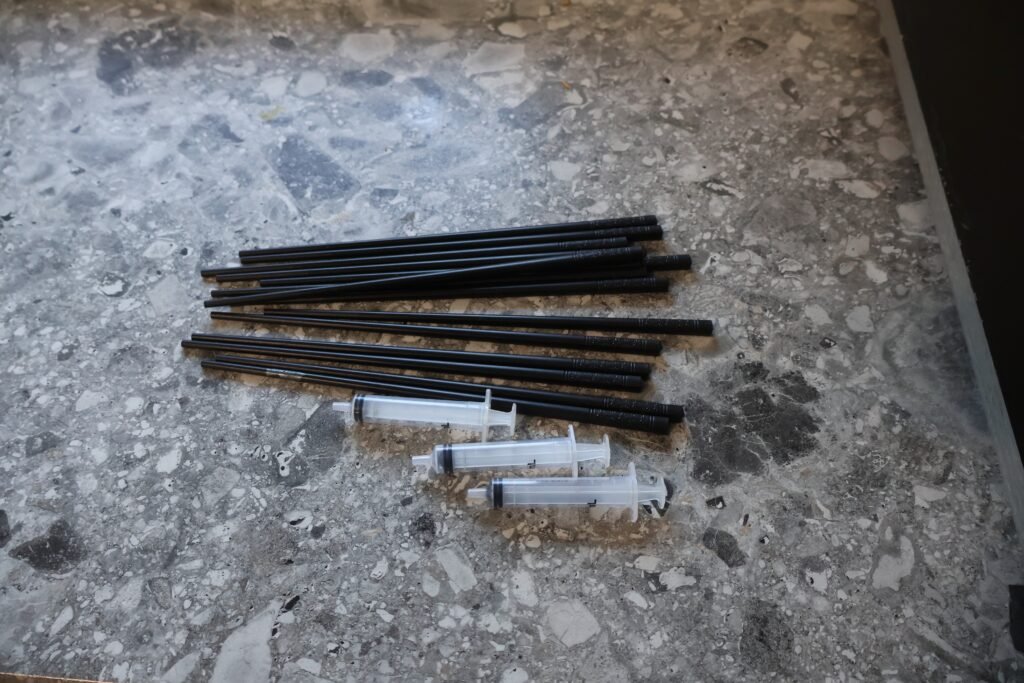
Sort is the first step because too much stuff makes every other part harder.
In manufacturing, too much equipment in a work area creates problems. It hides what matters. It makes cleaning harder. It slows people down. It creates frustration. The same thing happens at home.
A drawer with too much in it becomes hard to use. A cupboard with too many duplicates becomes hard to maintain. A wardrobe full of clothes you keep passing over creates a quiet kind of mental weight.
So when I sort now, I do not only ask, “What can I get rid of?”
I ask, “What is making this space harder to use than it needs to be?”
That feels more useful.
Before and after example
Before: the bathroom cupboard holds half-used products, old bottles, duplicates, expired items, and things kept “just in case.”
After: the daily-use items are easy to see. Backups are grouped together. Old products are removed. The shelf can be wiped without moving twenty things first.
This is where decluttering systems become more helpful than random clean-ups.
Sorting is not about being ruthless for the sake of it. It is about clearing enough space for the room to work properly again.
How can Set in Order create simple home organisation?
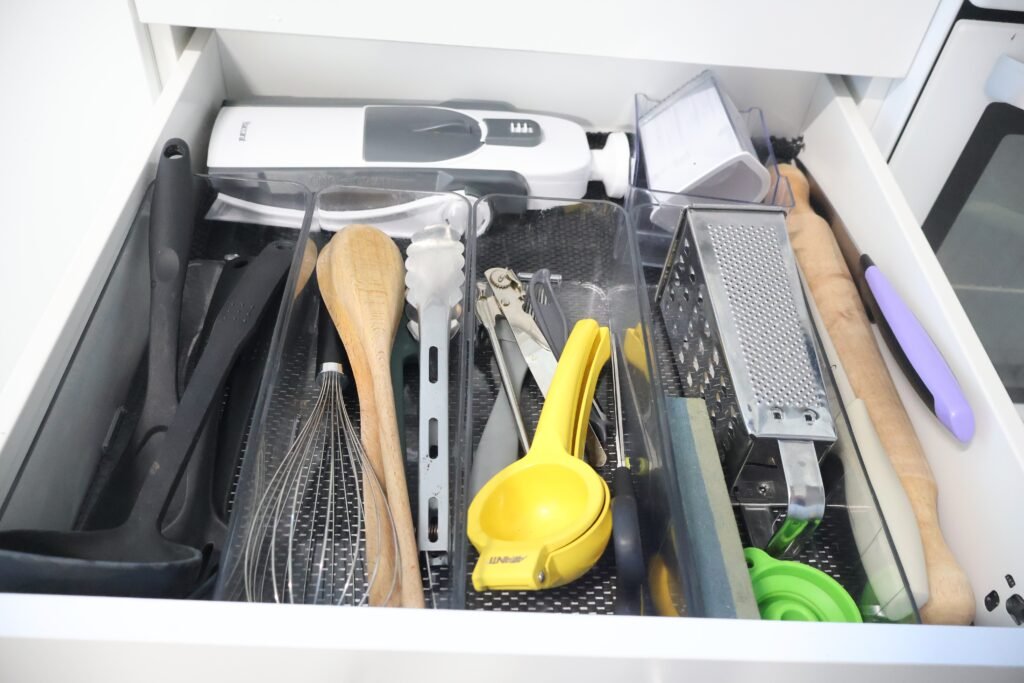
Set in Order is where simple home organisation starts to make everyday life easier.
The idea is not just to make things look tidy. It is to put things where they make sense.
In lean, this means the things people need should be close to where they are used, easy to reach, and easy to return. At home, that idea is just as useful.
If something is awkward to put away, it usually gets left out.
If it lives too far from where it gets used, it starts drifting.
If it is buried behind five other things, the system will not last.
A simple way to think about it
Use it often? Make it easy to reach.
Use it in this room? Keep it in this room.
Put it away daily? Make that process simple.
Before: cleaning cloths live in a cupboard far from the kitchen, so small spills are ignored or wiped with whatever is nearby.
After: the cloths live where the mess happens. They are easy to grab, easy to use, and easy to return.
That is not fancy organising. It is just reducing friction.
A good home system makes the right action feel like the easy action.
Why does cleaning matter after decluttering?
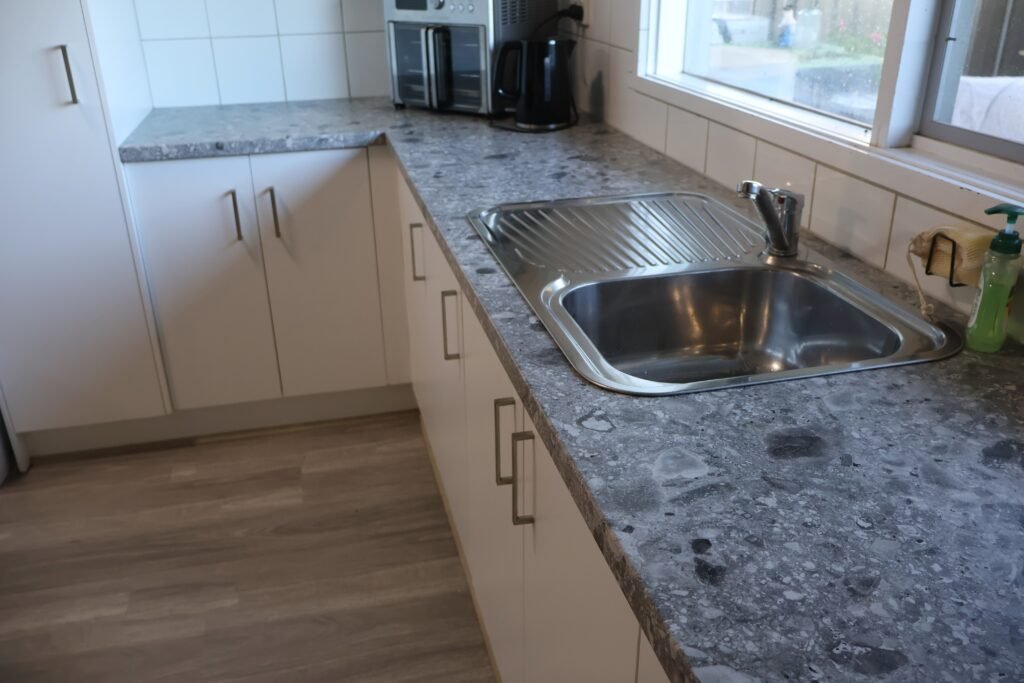
Shine is the cleaning part of 5S, but it is not just about making things look nice.
In manufacturing, cleaning helps reveal problems. When an area is clean, you notice what is leaking, what is missing, what is awkward, and what keeps getting in the way.
At home, cleaning after decluttering does something similar.
Once a drawer, shelf, cupboard, or bench has been sorted and put back in order, cleaning gives it a proper reset. It makes the space feel finished. It also helps you see whether the new setup actually works.
Before and after example
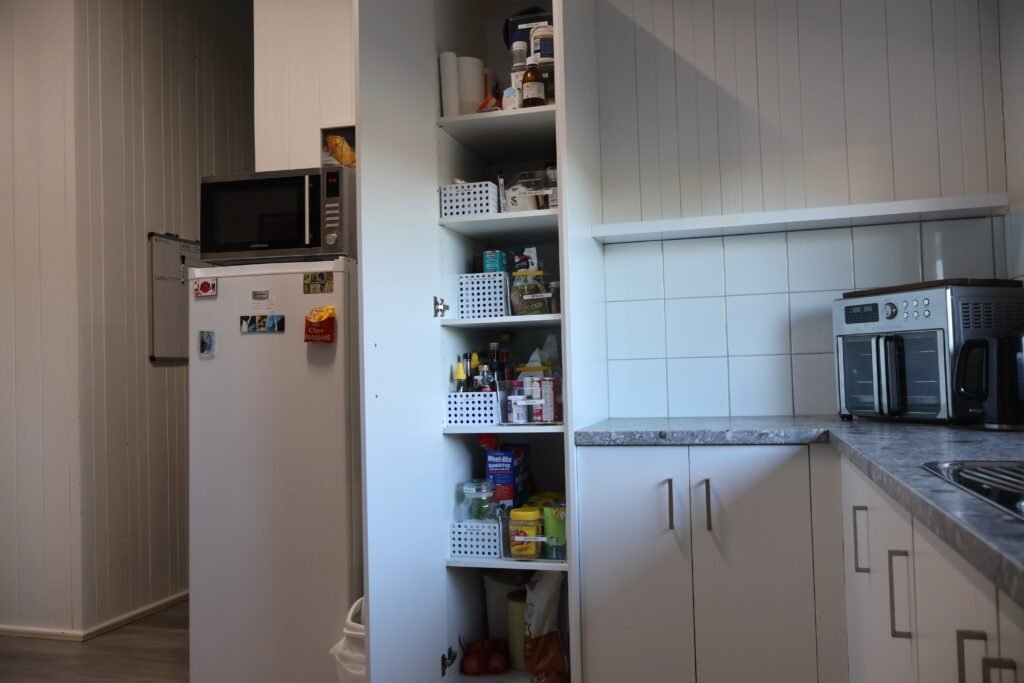
Before: a pantry shelf is overcrowded, dusty, and full of half-used packets. You cannot see what you have, so you buy more of the same things.
After: the shelf is emptied, wiped, grouped, and reset. The everyday items are visible. The duplicates are obvious. Shopping becomes easier because the space tells the truth.
That is the quiet benefit of Shine.
It is not about creating a spotless home. It is about paying attention.
A clean reset helps you see the space clearly again.
How do I keep my house tidy without willpower?
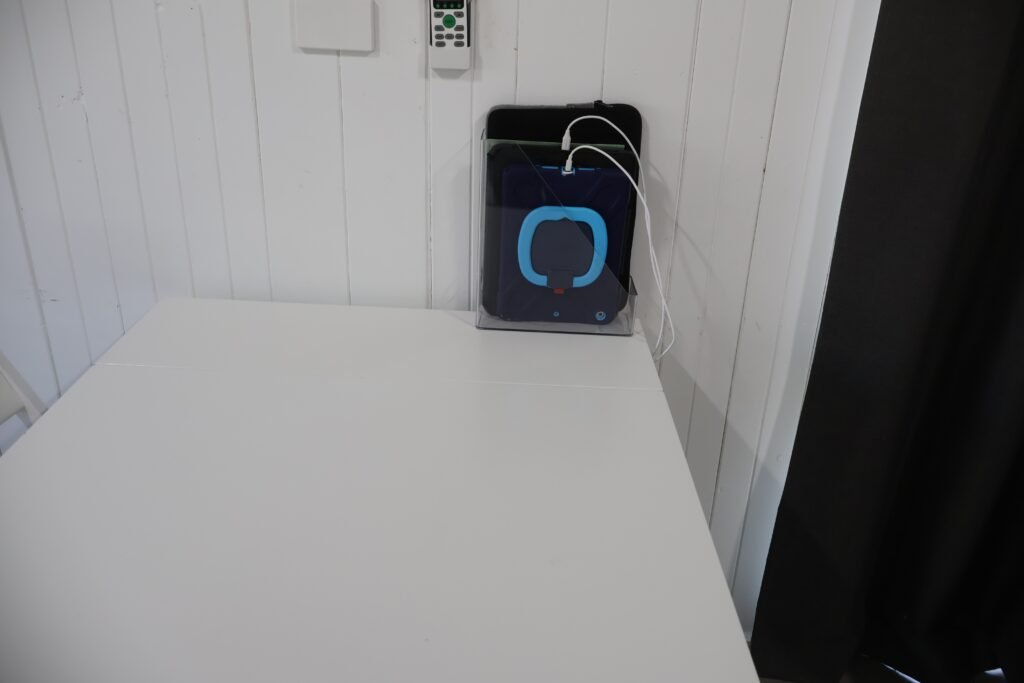
This is where Standardise and Sustain matter most.
A big clean-up can feel good for a day or two. But if the space has no simple defaults, the clutter usually creeps back in.
Standardise does not need to be rigid. At home, I think of it as creating simple agreements with the space.
Keys go here.
Bags go here.
This basket is for this.
The donation bag lives in one spot.
The kitchen bench gets reset in the evening.
These little defaults remove repeated decisions.
Because clutter often builds when everything is undecided.
Before and after example
Before: items move from bench to chair to table to spare room because they do not have a clear home.
After: each common item has one sensible place. Not a perfect place. Just a place that works well enough to repeat.
Sustain is the ongoing part. Small resets. Quick tidy-ups. Adjusting the system when it stops working.
That is how to keep your house tidy without willpower.
Not by forcing yourself to be perfect. By making the space easier to recover when normal life happens.
What makes decluttering systems better than one big clean-up?
A big clean-up can remove clutter. But a decluttering system helps stop the same clutter from coming back in the same way.
That is the difference I have noticed most.
When you only clean up the mess, you deal with the result. When you look at the system, you start dealing with the cause.
In manufacturing, I learnt that repeat problems usually deserve a better question. Not “Who made the mistake?” but “Why was this mistake easy to make?”
At home, that becomes:
Why does this bench keep filling up?
Why is this drawer hard to maintain?
Why do these clothes never get put away?
Why does this cupboard feel frustrating every time I open it?
Before and after example
Before: the laundry area gets cleaned every few weeks, but the same pile keeps coming back.
After: the cause is noticed. There is no easy place for dirty clothes, clean clothes, school uniforms, and odd socks. Each one gets a simple place.
That is the power of systems.
They do not remove life. They make life easier to reset.
FAQ
What is the best way to start decluttering at home?
Start with one small space that annoys you regularly. A drawer, bench, shelf, or entry area is enough. Do not start with the whole house. Look for one place where clutter keeps coming back and ask what part of the setup is making it harder than it needs to be.
Does the 5S method work in a normal home?
Yes, if you use it gently. The 5S method at home works best when you strip away the formal workplace language and use the simple idea underneath: remove what does not belong, give things a sensible place, clean the space, create simple defaults, and maintain it with small resets.
How do I declutter when I feel overwhelmed?
Choose one visible surface or one small container. Do not try to fix the whole room. Remove rubbish first, then remove anything that clearly belongs somewhere else. After that, decide what the space is actually for. Overwhelm usually drops when the job becomes smaller and clearer.
Why does clutter keep coming back?
Clutter often comes back because the system has not changed. If items are hard to put away, do not have a clear home, or live too far from where they are used, they will usually drift back into piles. The answer is often a better setup, not more effort.
How can I keep my house tidy without being naturally organised?
Make the right thing easier to do. Keep everyday items close to where they are used. Use simple baskets, trays, hooks, or zones. Create small reset habits instead of relying on big clean-ups. You do not need to be naturally organised if the space is designed to support you.
Conclusion
Decluttering does not always need more effort. Sometimes it just needs a better system.
That is the biggest lesson I have taken from lean manufacturing into my own home. Look for friction. Remove what gets in the way. Give things a sensible place. Make the space easier to reset.
One simple action for today: choose one small area that keeps collecting clutter and ask, “What is making this harder to maintain than it needs to be?”
For more quiet, practical systems for home and everyday life, you can subscribe to Grounded Roamer on Substack or watch the full video on YouTube.
Author Bio
Grounded Roamer is written by a lean manufacturing practitioner with 20+ years of experience creating systems that make work and home life run with less friction.
Based near Mildura, Victoria, Australia, Grounded Roamer documents a quieter, more self-sufficient life built through simple systems, small adjustments, and paying attention.