Sensory-Friendly Family Road Trip to Melbourne Comic Con
Big days out take a different kind of planning when you’ve got a sensory-sensitive kid. Comic Con is about as big and as loud as it gets. Thousands of people, flashing lights, constant noise, and no real way to predict what the day will throw at you.
My son feels that chaos more than most of us do. So how we get there matters as much as where we’re going. This is how our family did a sensory-friendly road trip to Melbourne Comic Con — from a quiet start at home in Mildura, through four small country towns, into the convention and back out the other side.
It isn’t a highlight reel. It’s the system we use to make a big, unpredictable day work, and it’s the same one we bring to every big trip.
What is a sensory buffer, and why plan a trip around one?
A sensory buffer is time and space you build in before a child reaches overload, not after. It’s the same idea as a buffer on a production line: a bit of slack held back so one hiccup doesn’t stop everything. On this trip the buffers were early starts, plenty of stops, a time limit at the event and a quiet evening.
I spent more than twenty years in lean manufacturing. In a factory, you don’t wait for a line to stop before you plan for it. You protect the flow before it fails. A big day out with a sensory-sensitive kid works the same way. You don’t plan for the meltdown. You plan so there’s room before it.
These are the six buffers we use, and how each one showed up on this trip.
| Buffer | What it means | How it looked on this trip |
|---|---|---|
| 1. Arrive early | Beat the crowd before it builds | Inside Comic Con before the venue filled up |
| 2. Cap the time | Two to three hours, then step outside | Out after a few hours, before he had had enough |
| 3. Pack familiar food | No new snacks, no new textures | Bento boxes and hot drinks packed for the road |
| 4. Build in decompression | Quiet time before overload, not after | A quiet evening at the hotel before the big day |
| 5. Read cues, not words | Let behaviour guide the next move | Heading out once the crowds started to grow |
| 6. Let the day shape the plan | The itinerary bends, the kid doesn’t | Town stops timed around his needs, not the map |
How do you start a long drive with a sensory-sensitive kid?
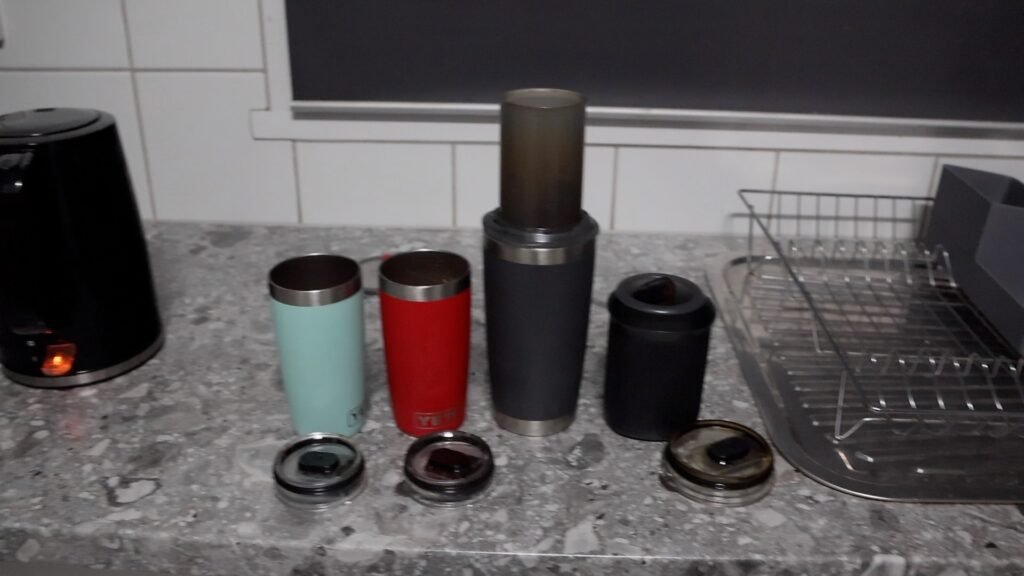
Start early and keep the morning simple. We pack the night before, so the morning is just the essentials: hot drinks, bento boxes, then the kids and the bags in the car. Leaving early means we miss the city traffic at the other end. The bento boxes mean snacks on the road without stopping every five minutes.
It was five degrees the morning we left, so something hot to drink was non-negotiable. The bento boxes save a bit of money along the way too. And familiar food matters more than people expect. A new snack or an unexpected texture first thing in the morning can set the tone for hours, so we stick to what we know works.
Truth is, I’m not that good with city traffic any more. Starting early is as much a buffer for me as it is for him.
Where do we stop between Mildura and Melbourne?
We stop more often than most people would. My son’s needs shape the route, so each stop is timed around toilets and a chance to get out and move. On this trip that meant Ouyen, Sea Lake, Nullawil and Wycheproof. Each one is a reset before the next leg, not sightseeing for its own sake.
Ouyen is one of my favourite stops. It’s known as the one-time vanilla slice capital of Australia, and I do love a good vanilla slice. The Roxy Theatre opened there in 1936. There’s also Ouyen Lake, a man-made lake with good toilets and a decent little park. It’s a great spot for the kids to swim on a hot summer day. This wasn’t one of those.
Sea Lake is where we grab a quick breakfast, use the toilets and wander past the murals on the buildings. Worth seeing the silo art too. Painted in 2019 by Joel Fergie and Travis Vinson, it shows a young Aboriginal girl on a swing under a mallee tree, looking out over Lake Tyrrell. It draws on the astronomy of the local Boorong people.
Nullawil is a quick stop for its silo art: Jimmy the kelpie and his farmer, painted in 2019 by the artist Smug.
Then Wycheproof. At one stage the train line ran right down the middle of the main street. At the end of it sits K167, a steam locomotive built in 1941. The kids love having a look at it, and it’s a good spot to stretch the legs.
None of these are must-see stops in the usual sense. They’re buffers. A long drive was never really about the distance. It was about giving him enough small breaks that the day didn’t wear him down before it had started.
Why does the night before matter?
Because a quiet evening is what makes the big day possible. After a long drive my son is tired, even though he’s just been sitting in the car. So we head back to the hotel, take away the sensory stimulation and relax for the evening. Skip that step and it tends to catch up with you the next afternoon.
On the way, we stopped at Lobos Collectables, a short distance from the hotel. It can be a little dangerous for me. All the nostalgic stuff, especially the toys I used to collect before I came to Australia. It’s not just Star Wars either. There’s plenty from the eighties: Terminator, Predator, Aliens. The kids had a look too, but they got over it pretty quickly. It’s not as nostalgic for them as it is for me.
How do you do Comic Con with a sensory-sensitive kid?
Arrive early. Getting in before the main crowd gives my son time to get used to the noise and lights before the venue fills up. We want him to enjoy Comic Con as much as the rest of us, and that only works if he isn’t overstimulated in the first hour. This one was quieter than some I’ve been to, which helped.
What I love most is the community. Everyone was welcoming, engaging and supportive. Without him saying anything, people just seemed to know when someone needed a bit more space. Nobody crowded him or overpowered him. That’s the nerd community for you.
My daughter makes little dog bones out of beads. She handed them out as a thank you to everyone who let her get a photo. A lot of the people she gave them to were a lot like my son, and some gave her bead bracelets back. There’s something so accepting about this community.
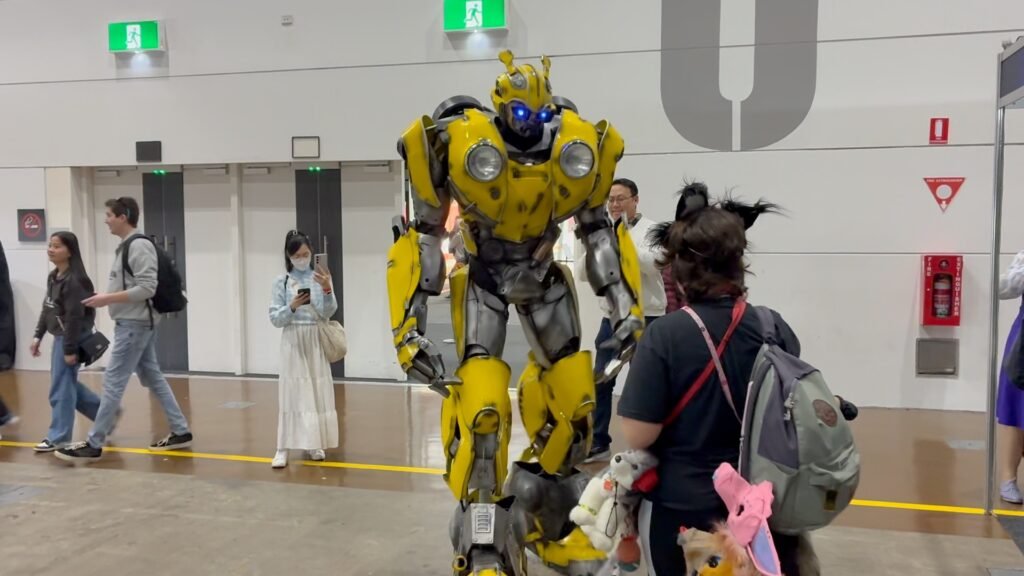
You see a lot of effort on show too. She got a photo with a Bumblebee, and there was a dinosaur tamer wandering around that everyone wanted a photo with. Just before we left, we found my favourite bit, the Star Wars area, and got photos with five cosplayers. She also got to see Caine from The Amazing Digital Circus, and someone in an incredible fursuit. Getting her own fursuit one day would be a dream come true for her.
When is it time to leave a big event?
Before overload, not after. After a few hours my son has normally had enough, and the crowds were getting bigger. So we headed out before he got overstimulated and it crashed the whole day. Leaving on time is part of the plan, not a sign it failed.
It would be nice to go back for a second day, but I’m a bit too tight to buy another ticket. So we went exploring outside the convention centre instead.
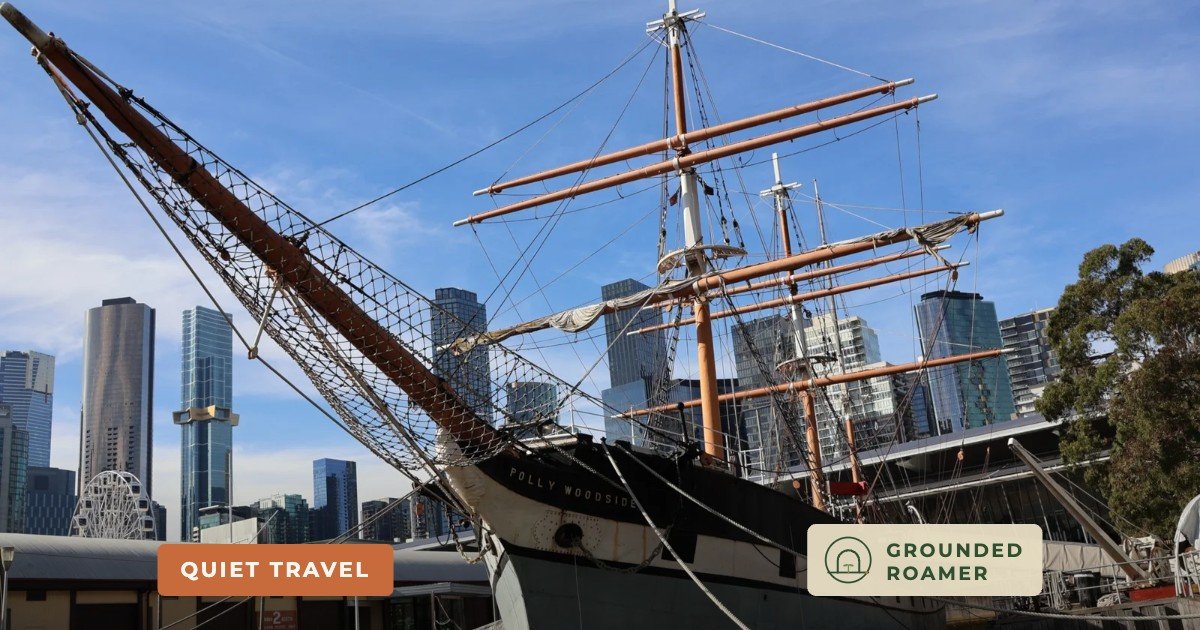
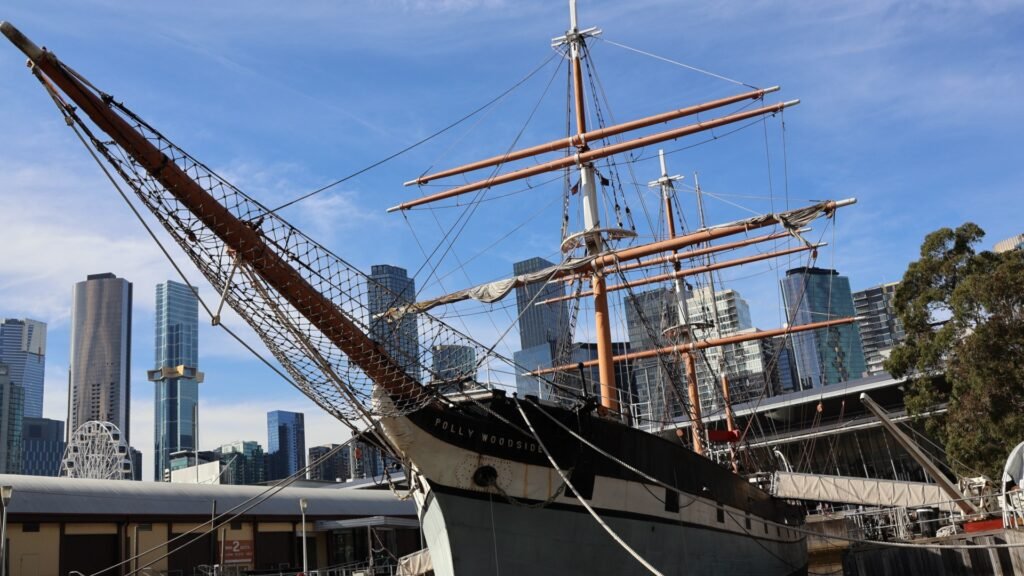
Just outside is the Polly Woodside, a three-masted, iron-hulled ship built in Belfast and launched in 1885. It rounded Cape Horn sixteen times in its working life. The National Trust bought it for one cent in 1968, and a small army of volunteers helped restore it.
Right nearby is Skyline Melbourne, a ferris wheel with a Winter Wonderland underneath it. It wasn’t running while we were there, but normally you can meet Elsa, Olaf and Cuddly the Snowman. We kept wandering along the river, grabbed an ice cream and a coffee, and just took in some time outside.
To burn off the last of his energy, we finished at Bounce Inc trampoline park. Bouncing ties into the sensory side of things, so it’s good for him in more ways than one. It’s right by the airport, and there was a little jet parked out front. I loved that. It took me back to my aviation days.
What is the drive home like?
Much the same as the drive down, only quieter. There was ice on the side of the road that morning, and the kids didn’t want to get out of the car. I didn’t blame them. We stopped for petrol along the way and took in the roadside views.
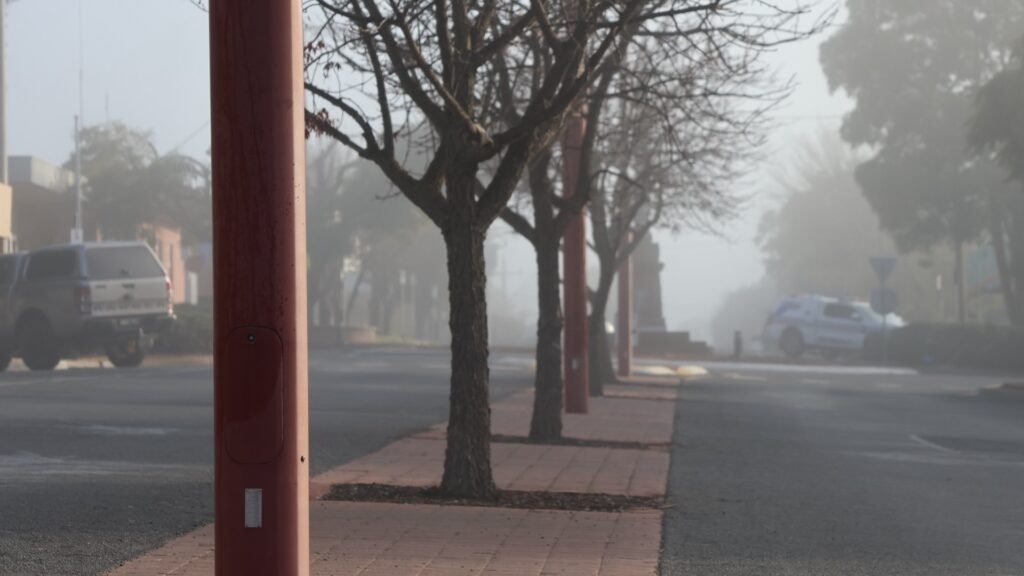
Further on it got foggy. We drove through Charlton, and I grabbed a few photos of the old buildings on the main street, shrouded in mist.
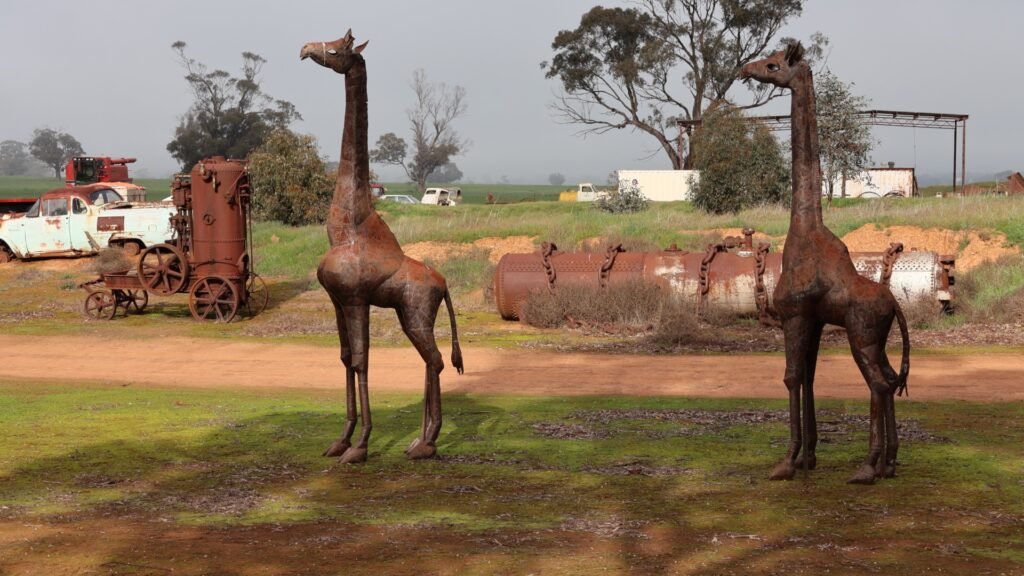
Somewhere between Charlton and Wedderburn there’s a metalwork display by the road. Old trucks and tow trucks sit rusting away next to what looks like an old steam boiler on cart wheels. Then there are the sculptures: a couple of tall giraffes, and a dinosaur with its jaws wide open, standing guard out the front. A nice little finish to the journey home.
What made this trip work?
Not luck. We built the day around exit points and decompression time instead of a fixed itinerary. We arrived early everywhere it mattered. And we watched our son’s cues instead of the clock. We’re still figuring this out as we go, but that’s what held it together this time.
If you’re planning a big day out with a sensory-sensitive kid, the six buffers are in a free one-page guide: Big Days Out — A Free Sensory Buffering Guide for Parents.
What’s made the biggest difference for your family on a big day out?
Frequently asked questions
How do you plan a big event around a sensory-sensitive child?
Build the day around exit points and decompression time, not a fixed itinerary. Arrive early, cap busy events at two or three hours, and read your child’s cues rather than sticking rigidly to the plan.
What is sensory buffering?
Sensory buffering means building space and time around a big day out to protect a child from overload before it happens, rather than reacting once it does. The idea borrows from what autistic advocate Kaelynn Partlow calls crowd buffering.
Is Melbourne Comic Con suitable for kids with sensory needs?
With the right approach, yes. Arriving early and having a clear exit plan made the biggest difference for us, and the community was welcoming from start to finish.
Grounded Roamer is written by a lean manufacturing practitioner with 20+ years experience creating systems that make everyday life run with less friction. Based in Mildura, Victoria, Australia — documenting a quieter, more self-sufficient way of living, one small adjustment at a time.