Shisa Kanko: The Japanese Point and Call Habit That Prevents Errors
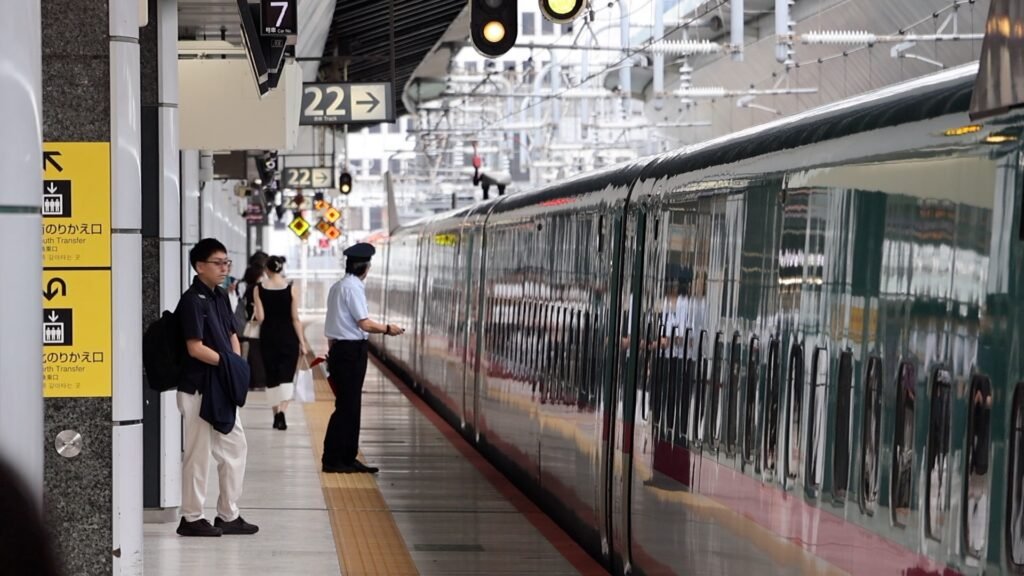
If you’ve ever stood on a train platform in Japan, you may have noticed something curious. A staff member points at something — the platform, a sign, the train itself — and says something out loud as they do it. It looks almost theatrical. It isn’t decoration. It’s one of the most effective error-prevention habits ever studied, and it’s called shisa kanko — point and call.
What is shisa kanko?
Shisa kanko (指差喚呼) is a Japanese safety technique where a person physically points at something they need to check, and says out loud what they’re confirming. A train driver might point at a signal and say “green light, clear.” A factory worker might point at a switch and say “power off.” The combination of physical gesture, spoken confirmation, and visual check engages multiple parts of the brain at once — making it far harder to do the action on autopilot.
A 1994 study by Japan’s Railway Technical Research Institute found that pointing and calling reduced simple task errors by close to 85 percent. That’s not a marginal improvement. That’s the difference between a habit that occasionally helps and one that fundamentally changes outcomes.
Where did it come from?
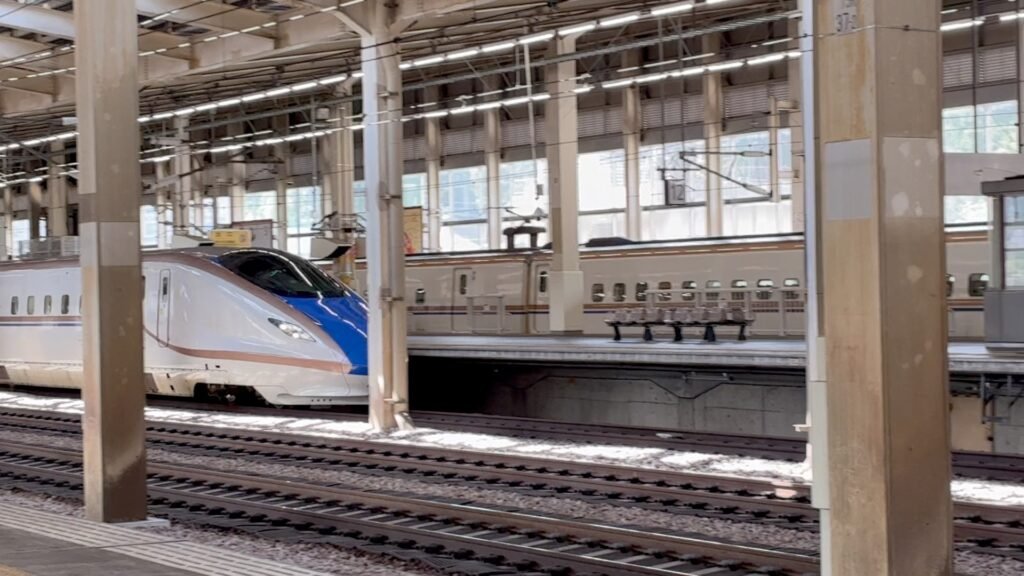
The practice traces back to the early 1900s, when a Japanese train engineer named Yasoichi Hori began losing his eyesight. To avoid missing a signal, he started calling out the signal’s status out loud to the fireman riding with him, who would confirm it back. It worked well enough that it was formalised into Japanese railway practice by 1913.
From there it spread. Toyota built it directly into the Toyota Production System, where it remains a core part of how the company manages quality and safety on the factory floor. From Toyota it moved into wider Japanese manufacturing, construction, and eventually aerospace.
What I saw at JAXA
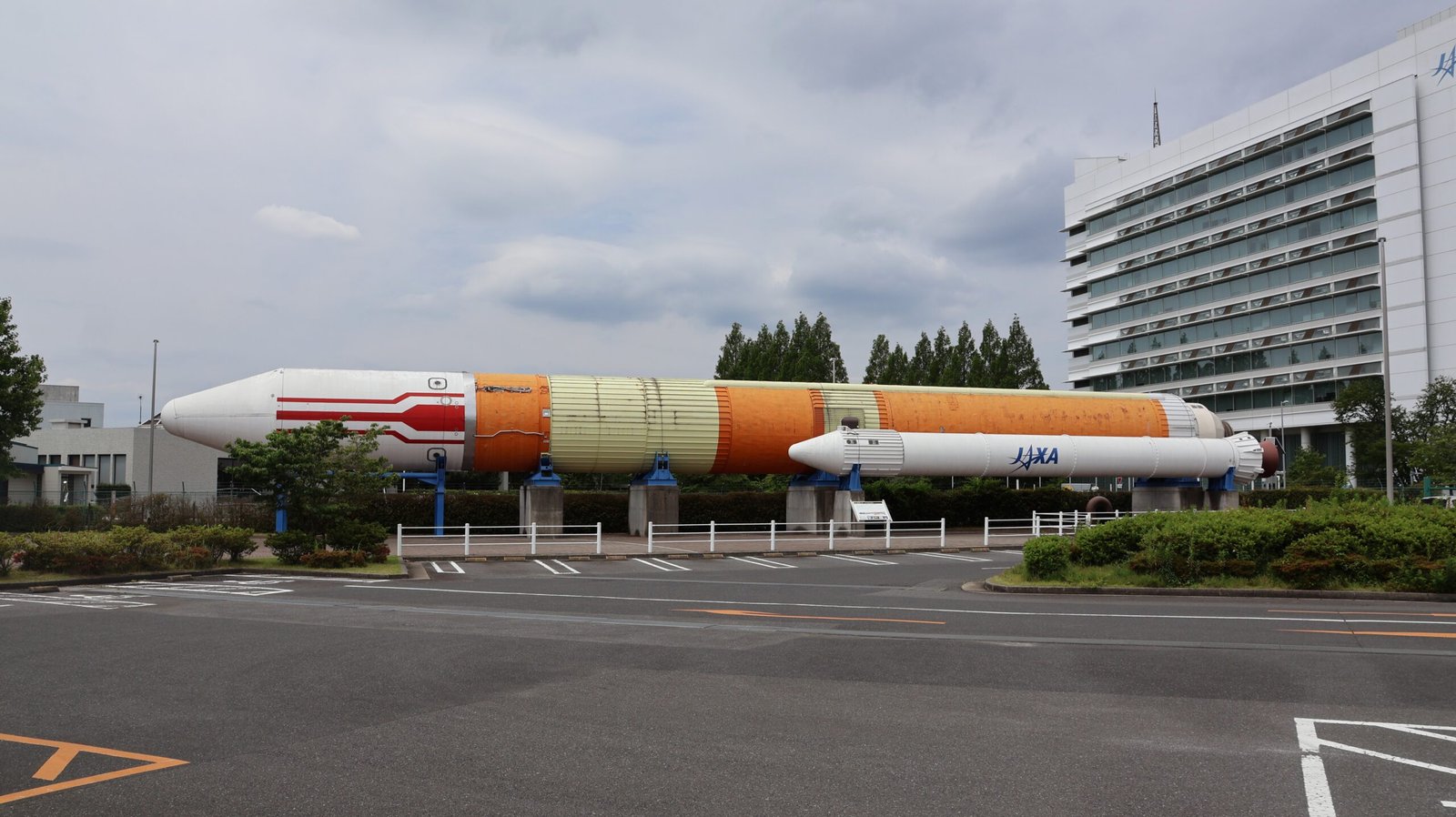
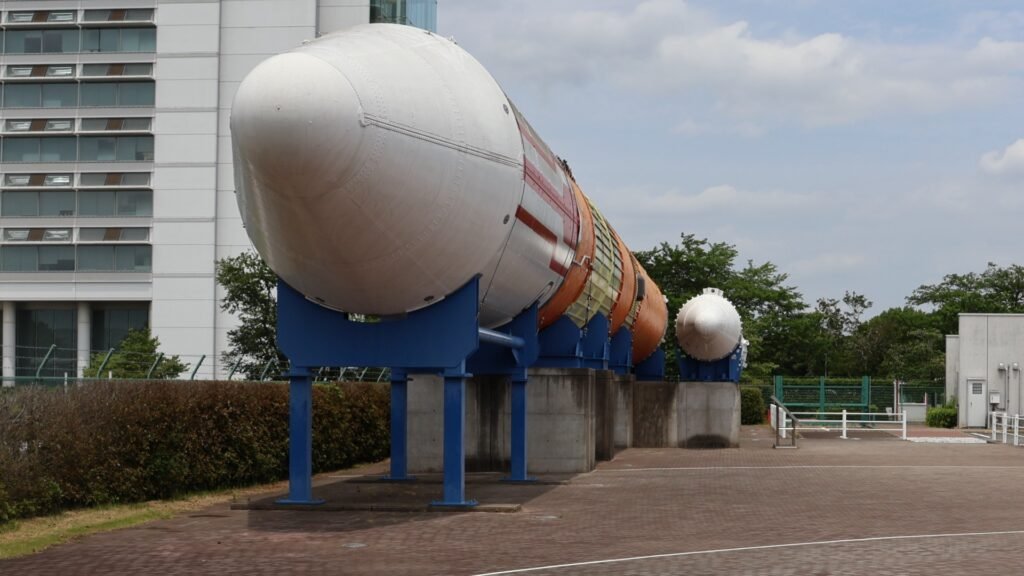
I’ve been drawn to space travel since I was a teenager — space camp, visits to NASA facilities in Houston, time at Edwards Air Force Base. So when I walked into JAXA, Japan’s space agency, during a recent trip, I wasn’t expecting it to hit quite as hard as it did. It connected to something in me from decades earlier, but landed differently as an adult — closer to recognition than wonder.
And there it was again — the same habit I’d been noticing on train platforms throughout the trip. Confirmation checks, physical points, verbal call-outs, happening at the level of preparing systems for space travel. That’s when it really landed for me. This isn’t a quirky cultural habit. It’s a serious, proven error-prevention system, trusted at the highest possible stakes.
Where else this already exists
Point and call isn’t unique to Japan, even if Japan uses it most visibly. Pilots run verbal checklists before every flight. Surgeons follow the WHO Surgical Safety Checklist before every procedure. Nuclear power facilities use two-person verbal verification for critical actions. The West already trusts this approach with human lives — we just rarely talk about it outside specific high-risk industries.

Why a checklist alone isn’t enough
After 20+ years working in safety and lean manufacturing, I’ve seen the same failure mode repeatedly — people running through a checklist completely on autopilot. The checklist exists. The steps get ticked. The error still happens, because nothing forced real attention.
Point and call solves this by combining three things at once: physical action, spoken confirmation, and visual checking. That combination interrupts autopilot in a way a checklist alone cannot. The checklist tells you what to check and in what order. Point and call is how you actually confirm it’s true.
Bringing it home
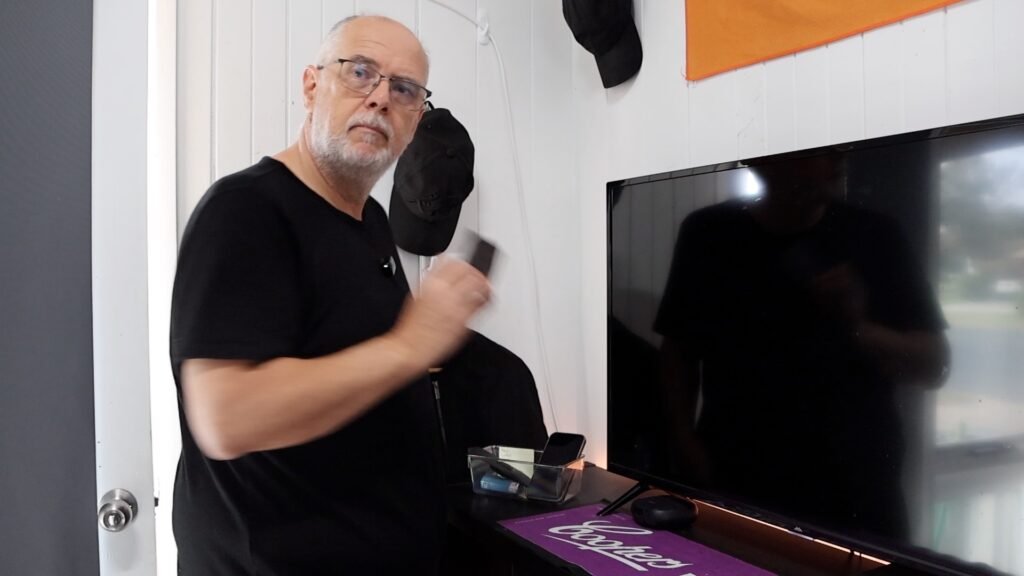
I built a small version of this for my own front door. Six items, same order, every time: keys, wallet, phone, stove off, lights off, door locked. Before I leave, I point at each one and say it out loud. It takes about twenty seconds.
I’ll be honest — I still forget things occasionally. This isn’t about achieving perfection. But since building this habit properly, I turn back for forgotten items far less than I used to.
FAQ
What does shisa kanko mean?
Shisa kanko (指差喚呼) translates roughly to “pointing and calling.” It’s a Japanese occupational safety technique combining a physical pointing gesture with a spoken verbal confirmation.
Does point and call actually work?
Yes. A 1994 study by Japan’s Railway Technical Research Institute found it reduced simple task errors by close to 85 percent.
Can I use point and call at home?
Yes. Pick a short sequence of items you regularly forget — keys, phone, stove, lights, door — and point at each one while saying it out loud before you leave. The physical and verbal combination is what makes it effective.
Grounded Roamer is written by a lean manufacturing practitioner with 20+ years experience creating systems that make everyday life run with less friction. Based in Mildura, Victoria, Australia — documenting a quieter, more self-sufficient way of living, one small adjustment at a time.