Kitchen Organisation System for Easier Cooking
A good kitchen organisation system isn’t about making the kitchen look perfect. It’s about setting up the space so cooking feels easier, smoother, and less frustrating.
For me, that came from applying some of the same thinking I used for years in lean manufacturing.
Not in a corporate way. Not with labels everywhere. Not turning the kitchen into a factory.
Just paying attention to how I actually used the space.
Where I walked. Where I stopped. Where I reached. Where I got slightly annoyed.
That’s usually where the system needs adjusting.
Most kitchens aren’t hard to use because they’re messy. Sometimes they’re hard to use because they’re set up once and never changed again.
But the way we cook, move, and live in a home changes.
So the kitchen needs to be adjusted too.
WHY MOST KITCHENS FEEL HARDER TO USE THAN THEY SHOULD
Most kitchens look fine when they’re clean.
But once you start cooking, the problems show up.
You walk back and forth. You open three drawers to find one thing. You stop halfway through because something isn’t where you thought it was. You pull things out, use them, and then do the same process again the next time.
For a long time, I thought that was just part of cooking.
After years working in manufacturing, I started seeing it differently.
In a workplace, if something slowed the job down, we’d look at the system. We wouldn’t just tell people to try harder.
That same thinking works at home.
If cooking feels harder than it should, it might not be a motivation problem.
It might be a layout problem.
THE TRAY SYSTEM: GROUPING THINGS BY USE
One of the simplest changes I made was using trays.
Not decorative trays. Not complicated storage.
Just task-based trays.
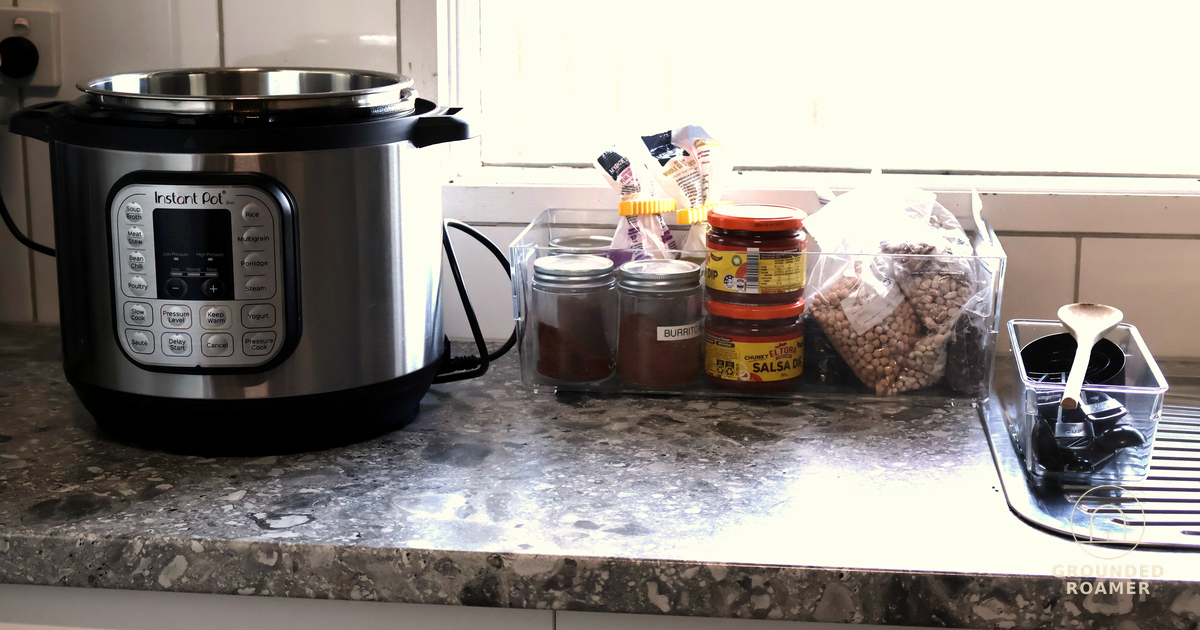
I have a herbs and spices tray for dry mixes. I have a Mexican tray for burritos. I have a baking tray for when my daughter is baking.
The point is simple: everything needed for that task is grouped together.
Instead of going back and forth to the cupboard, I bring the tray to the bench.
Use it. Put it back.
That’s the whole system.
This works because it follows how the kitchen is actually used. The tray becomes a small mobile workstation.
It reduces searching. It reduces walking. It reduces the number of little decisions needed to start.
That’s what I mean by less friction.
WORK WHERE YOU USE THINGS
The next change was looking at where I was actually doing the work.
If I’m baking, I set up near the cutlery drawer because that’s where the measuring spoons and utensils are.
If I’m mixing something, I work closer to the pantry and bring the measuring cups to me.
That sounds like a small thing, but it changes the flow of cooking.
Instead of moving around the kitchen constantly, I try to keep the work in one place.
The task stays still. The tools come to the task.
That’s a very simple workstation idea.
At home, it just means the kitchen starts working with you instead of against you.
DRAWERS SHOULD FOLLOW USE, NOT JUST SPACE
A lot of kitchens are organised by where things fit.
That makes sense when you first move in. But over time, it can become a problem.
I started looking at my drawers based on frequency of use.
Top drawer: measuring spoons. Second drawer: utensils. Third drawer: wraps and cloths. Bottom drawer: pots.
The things I use most are easiest to reach.
The things I use less often can sit lower down.
This isn’t a strict rule. It’s just a better way to think about storage.
Ask one simple question:
Where do I reach most often?
That usually shows you what needs to be closer.
WEIGHT AND SAFETY MATTER TOO
Kitchen organisation isn’t just about how often something is used.
Weight matters as well.
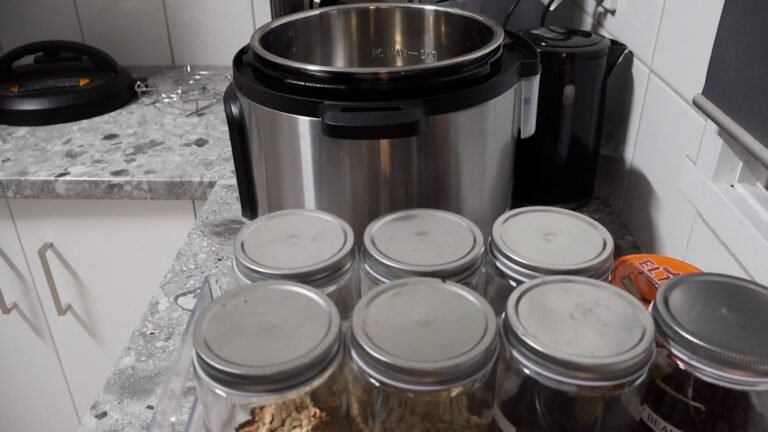
Under the sink, I keep the pressure cooker and mixer on the upper shelf.
Not because I use them more.
Because they’re heavy and easier to lift from that height.
Below that, I keep lighter things like the blender, food processor, baking trays, and bento boxes.
That makes the cupboard easier and safer to use.
This is one of those changes that doesn’t look dramatic, but you feel it every time you use the space.
A good home system should make life easier on your body, not just easier on your eyes.
IT’S NOT REALLY ORGANISATION. IT’S FLOW.
The biggest shift for me was realising this wasn’t really about organisation.
It was about flow.
How easily I could move through the kitchen. How often I had to stop. How many small interruptions were built into the space.
A kitchen can be tidy and still frustrating.
A kitchen can also be simple, imperfect, and easy to use.
That’s what I’m aiming for.
Not perfect drawers. Not matching containers. Not a kitchen that looks like a catalogue.
Just a kitchen that supports the way I actually cook.
HOW TO START YOUR OWN KITCHEN ORGANISATION SYSTEM
Start small.
Pick one task you do often.
It might be making breakfast. Packing lunches. Baking. Making burritos. Making coffee. Preparing dinner.
Then ask:
What do I always need for this task? Where do I usually stand? What do I keep walking back for? What’s harder to reach than it should be? What could be grouped together?
You don’t need to reorganise the whole kitchen.
Move one thing. Try one tray. Adjust one drawer.
Then pay attention.
If it makes the task easier, keep it.
If it doesn’t, change it.
That’s the whole process.
Conclusion
I did not need a better kitchen.
I needed a kitchen that worked with me.
That came from small adjustments: trays, better drawer order, safer storage, and a clearer workflow.
Nothing perfect.
Just a little easier to use.
And that is usually where the best home systems start.
FAQ
What is a kitchen organisation system?
A kitchen organisation system is a way of setting up your kitchen based on how you actually use it. Instead of only thinking about storage, it looks at flow, movement, task grouping, and ease of access.
How do I make my kitchen easier to cook in?
To make your kitchen easier to cook in, place the most-used items closest to where you use them. Group ingredients and tools by task, reduce extra walking, and store heavy items where they are safer to lift.
What is the tray system in a kitchen?
The tray system means grouping items for a repeated task onto one tray. For example, a herbs and spices tray for dry mixes or a baking tray with commonly used baking items. You pull the tray out, use it, and put it back.
How does lean manufacturing apply to a home kitchen?
Lean manufacturing focuses on reducing waste, improving flow, and making work easier. In a home kitchen, that can mean fewer steps, less searching, better placement of tools, and simple systems that support everyday cooking.
Do I need to buy new storage containers?
No. A kitchen organisation system does not need new products. Start by moving what you already have so it sits closer to where you use it.
Grounded Roamer is written by a lean manufacturing practitioner with 20+ years experience creating systems that make everyday life run with less friction. Based in Mildura, Victoria, Australia — documenting a quieter, more self-sufficient way of living, one small adjustment at a time.Job title: Lean Living Practitioner