Winter Garden Reset: Adjusting the Plan as I Go
When my seeds arrived in the post, it felt like the right time to get back into the garden and start the winter reset properly.
I had a plan in mind before I began, but once everything was laid out in front of me, I ended up changing a few things. That seems to happen a lot in the garden. A plan can look fine on paper, but once you are standing there with the seeds, the soil, and the space in front of you, a better version sometimes starts to appear.
In the end, the changes were not major. The overall setup stayed much the same, but a few small adjustments made it feel more practical and a bit more useful for this season.
Finishing the Reset First
Before I could start planting, there were a couple of jobs I needed to finish off.
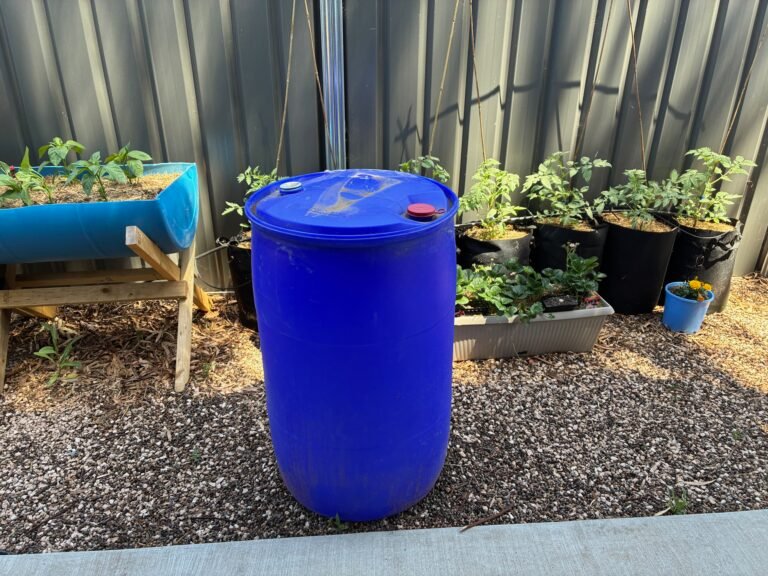
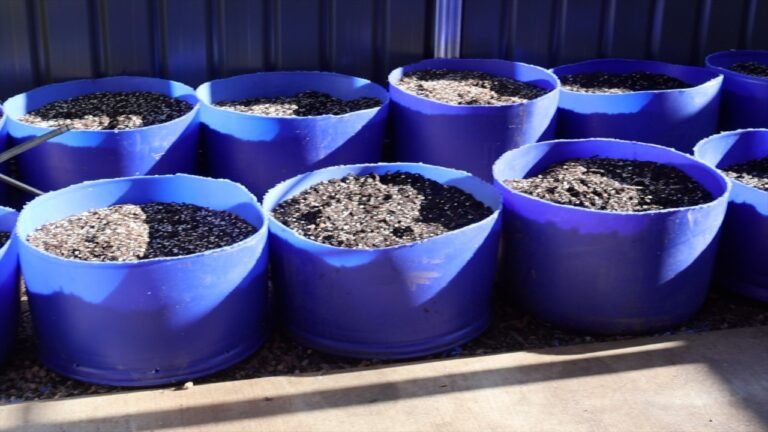
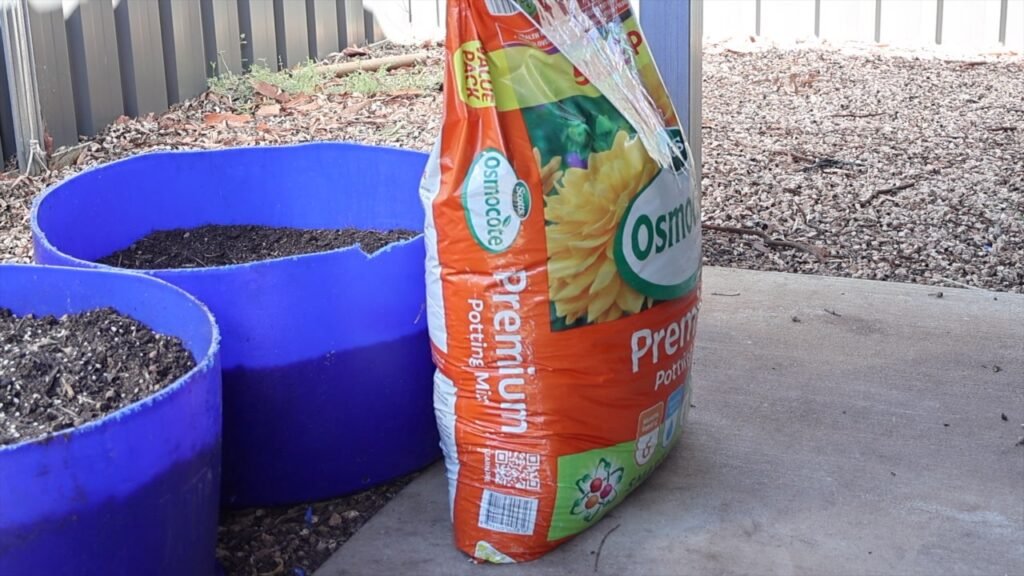
One of the drums was still a little short on soil from the previous reset, so I topped that up first. I also added some leftover perlite to help open the mix up a bit. Because the potting mix was still fresh, I did not need to add any compost this time, which worked out well. It meant I could finish the job with what I already had rather than buying more for the sake of a small amount.
That kind of finishing work is not the most exciting part, but it makes the rest of the setup easier. Once the containers are ready, everything else tends to flow better.
Starting Some Crops in Trays
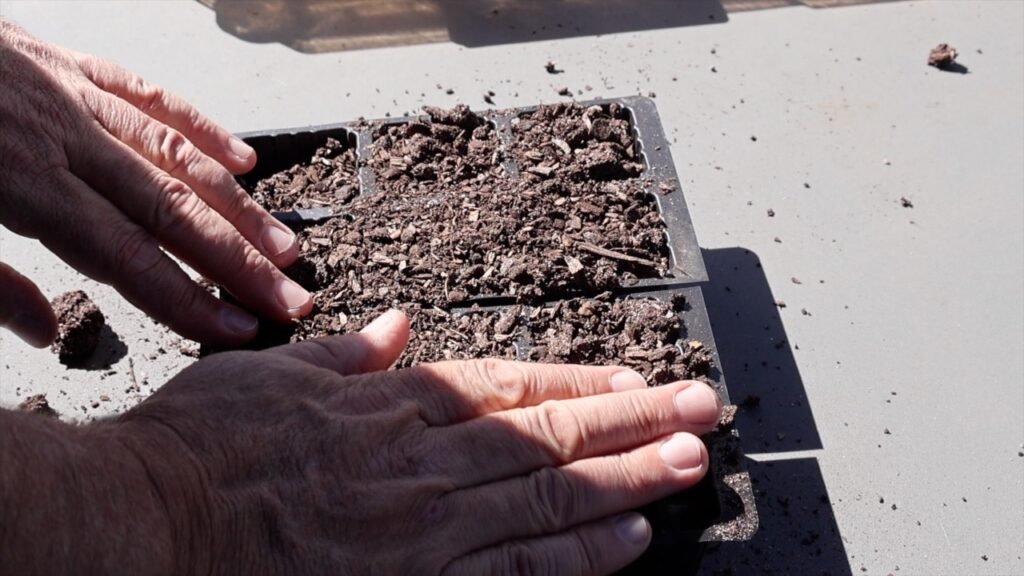
I direct sowed most of the seeds straight into the drums, but I decided to start the broccoli and cauliflower in seedling trays instead.
That felt like the better option for this round. It gives them a bit more protection while they are getting established, and it also means I can use those drums in the meantime for quicker crops. By the time the broccoli and cauliflower are ready to go in, those earlier plantings should be done or close to it.
It is a simple change, but one that makes the garden feel like it is working a bit harder without needing more space.
Changing the Original Plan
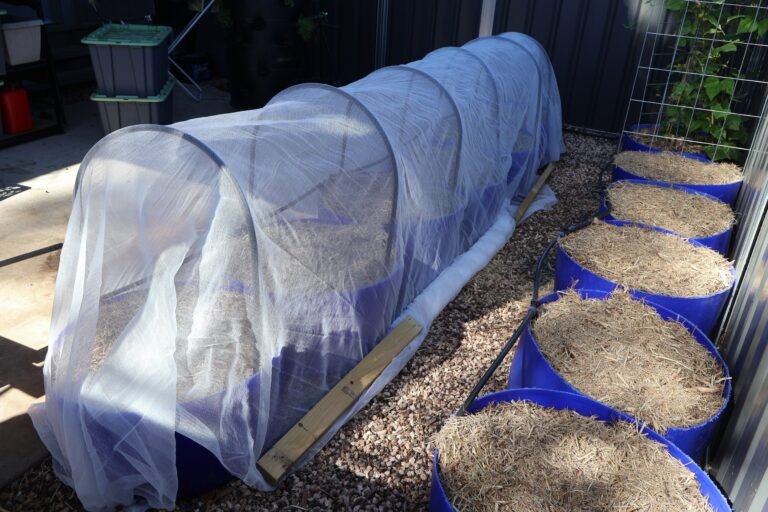
My original plan was to plant four drums with broccoli, four with cauliflower, and four with beans.
But once I had all the seeds out, I remembered I still had some left over from last year. Rather than sticking rigidly to the original plan, I decided to use some of those older seeds as well and compare how they go against the varieties I bought more intentionally for my climate.
The plan was still solid, but I wanted to leave room for a bit of experimentation. That is one of the things I enjoy most about growing this way. Even when the structure stays the same, there is always space to test something, notice something, and learn from it later.
A Surprise Still Growing
One unexpected part of the reset was finding that one of the pickle plants had survived.
I had assumed it was done for, but it still had two grown pickles on it and a few more coming through. The corn beside it had been hit hard by the heat and never really recovered, but the pickle plant kept going.
Instead of pulling it out, I decided to work with it. I added a bit of support so it had something to climb and left it where it was.
It was a good reminder that plants are often more resilient than I give them credit for.
Planting the Peas and Beans
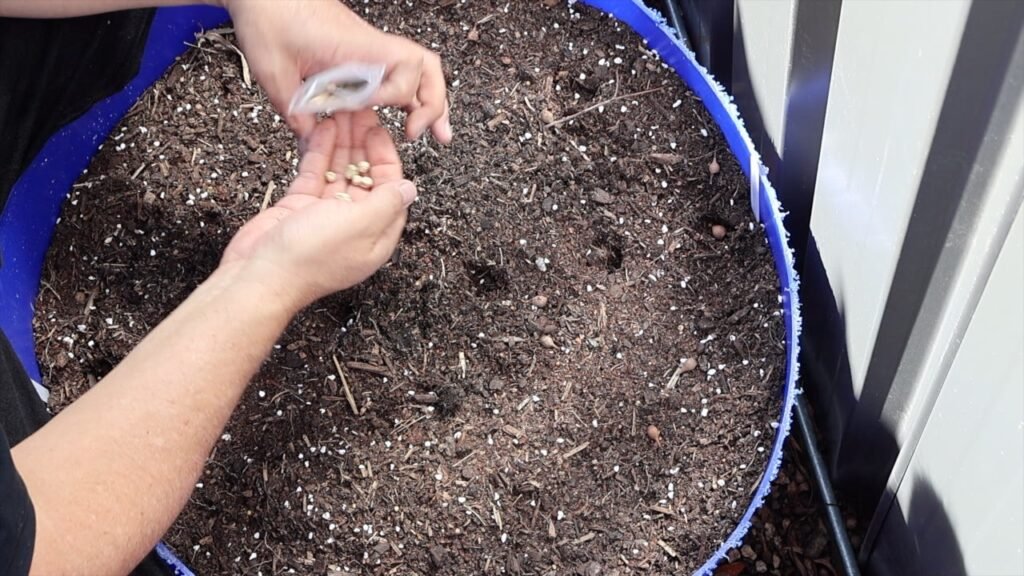
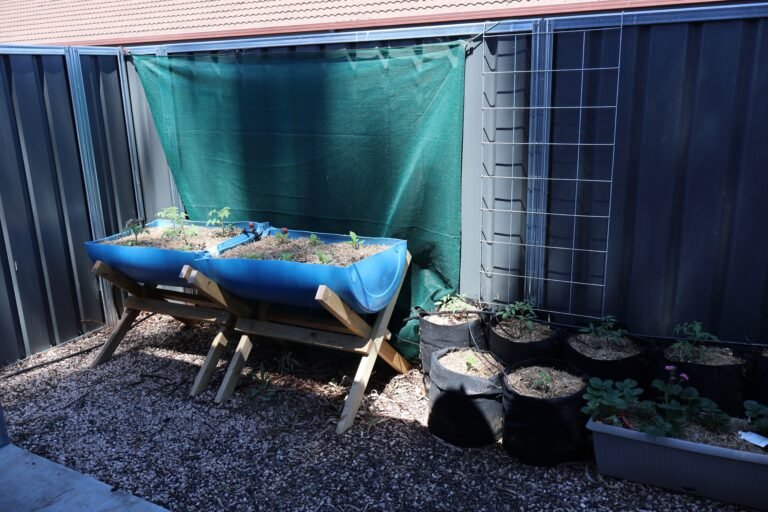
I started planting with the bean and pea drums along the fence.
Because they are climbing crops, that position made sense. They can grow upward without blocking sun from the rest of the garden, and it keeps that side of the space working well.
This round I planted a mix of snow peas, shelling peas, blue lake beans, more snow peas, and bush beans. Getting those first seeds into the ground felt good. After all the planning, topping up, and resetting, that is the point where the season starts to feel real again.
Using the Space More Fully
One thing I wanted to do differently this year was make better use of the space in each drum.
Last year, some of them ended up looking half empty, which always felt a bit disappointing. This time, I mixed in edible companion plants where I could so the drums felt fuller and more productive.
It was a simple way to use the spare room rather than leaving it unused, and it made the whole setup feel more considered. Small changes like that often make a bigger difference than expected, not just in what the garden produces, but in how it feels to look at and work in.
Watering, Irrigation and Mulch
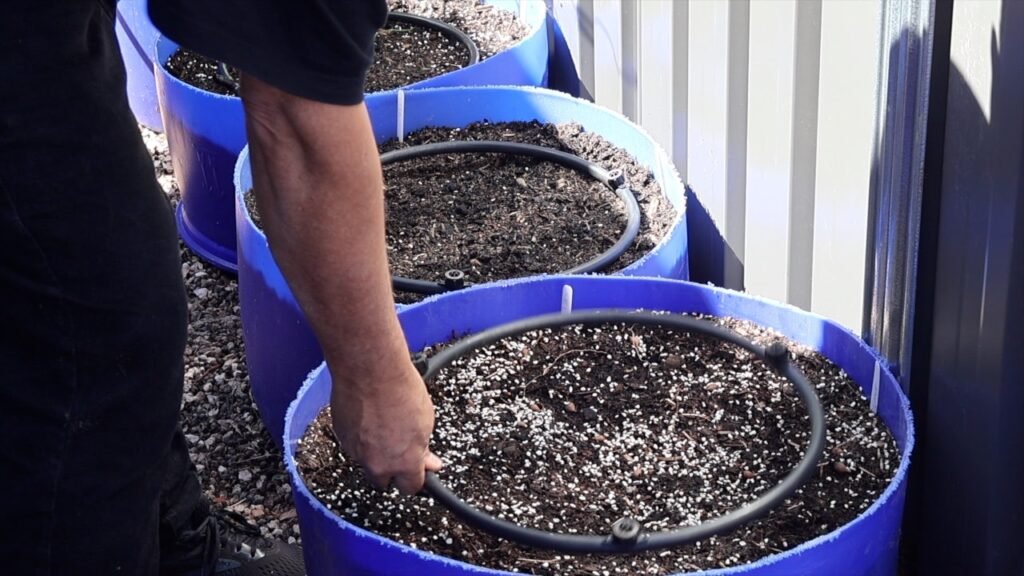
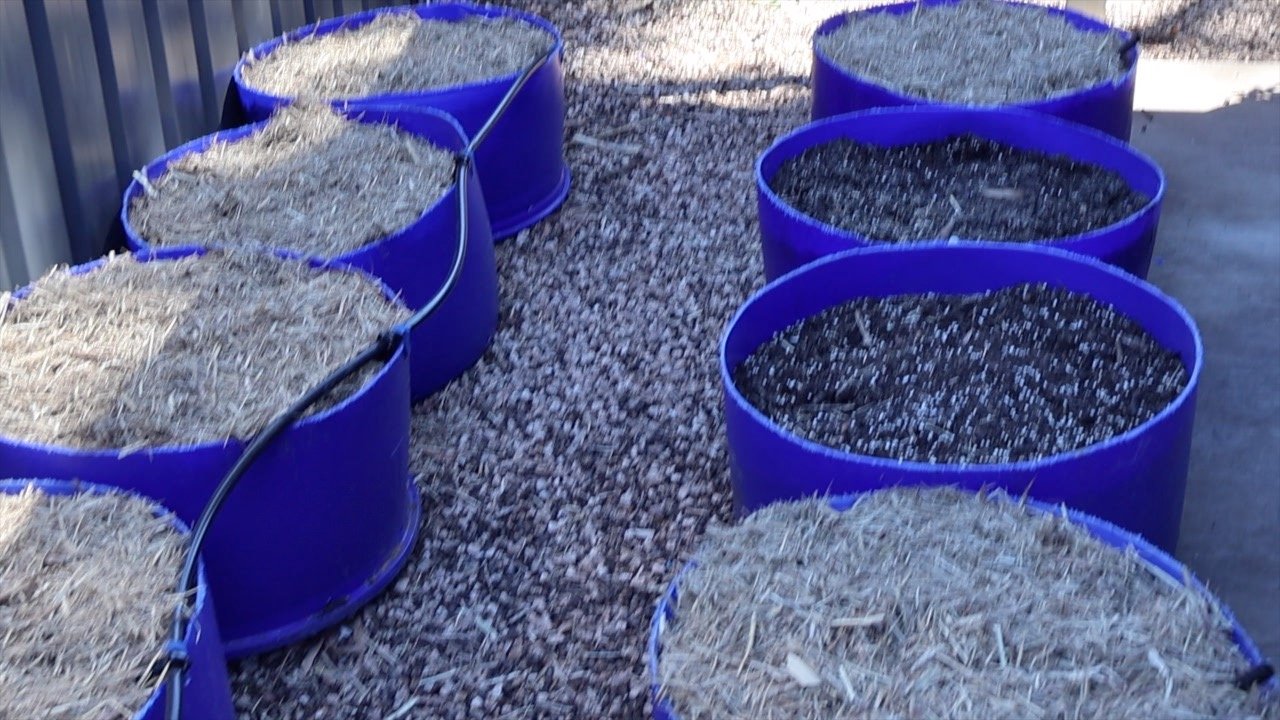
Once everything was planted, I watered it in, reset the irrigation, and mulched the tops.
That stage always feels satisfying because it marks the shift from setup into maintenance. Once the water is in place and the mulch is down, the garden starts to feel settled.
I used old sugar cane mulch I already had rather than buying more. It was still useful, and there was no real reason to replace it just for the sake of it. I added a small amount of fresh mulch on top, mostly so it looked tidier, but the practical work had already been done.
The irrigation and mulch will make things much easier from here, especially once everything starts to come up.
Filling the Brassica Drums for Now
Because the broccoli and cauliflower are still in trays, I did not want those drums sitting empty in the meantime.
So I planted them with quicker crops for now instead. A couple of the choices are things that worked well for me last year, and the rest are a mix I wanted to try this season. It felt like a good way to keep the space productive while still sticking broadly to the original winter plan.
That is one of the things I like about container growing. Even when something is only temporary, it can still be useful.
The Garden Feels Ready Again
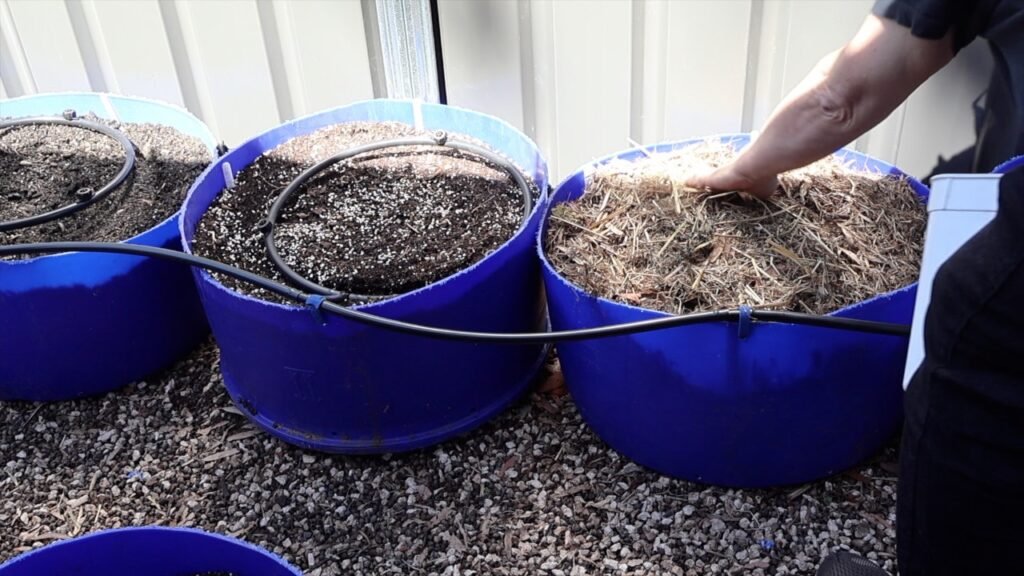
By the end of it, the soil was reset, the drums were in use again, the irrigation had been improved, and most of the winter crops were in.
There is still more to do, but the main reset is there now. That always makes a big difference mentally. Once the structure is in place, it is easier to keep going. It is much easier to build momentum when the garden looks ready for the season rather than half-finished and mismatched.
The plan changed a little as I went, but that is part of it. Some things will work well, some may not, and I will almost certainly do parts of it differently next time.
What Comes Next
There are still a few things to sort out over the next few weeks.
I need to work out the insect netting, see how the broccoli and cauliflower come along in the trays, and get the winter herb tower set up as well. I am also hoping to turn the failed summer tower into something more useful for the cooler months.
Not everything went exactly to plan, but that is fine. It is in a better place now than it was a few days ago, and for now that feels like a good enough start.